

8-10 Октомври 2026
Парк Хотел Витоша, София, БЪЛГАРИЯ
XIII Международна научно-техническа конференция ИНОВАЦИИ В ГОРСКАТА ПРОМИШЛЕНОСТ И ИНЖЕНЕРНИЯ ДИЗАЙН
2026
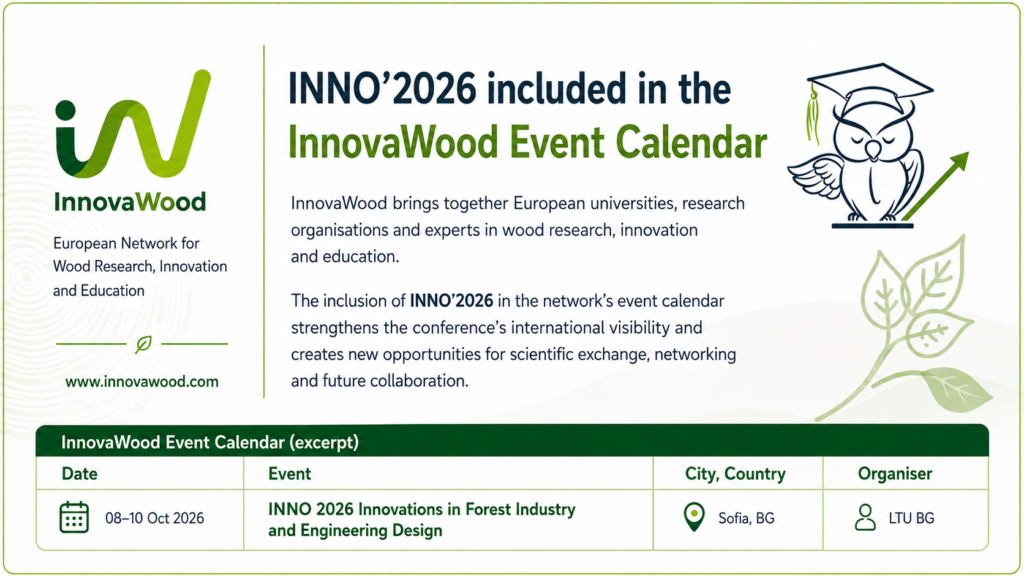

Организатор на конференцията
Организатор на конференцията

Съорганизатор

Съорганизатор

Съорганизатор

Съорганизатор

Съорганизатор

Съорганизатор

Съорганизатор

Съорганизатор

Съорганизатор
Акценти на INNO’2026
Повече от научна конференция
INNO’2026 събира учени, преподаватели, представители на бизнеса и млади изследователи за три дни на научен обмен, професионални контакти и нови възможности за сътрудничество.
Академичен издателски уъркшоп
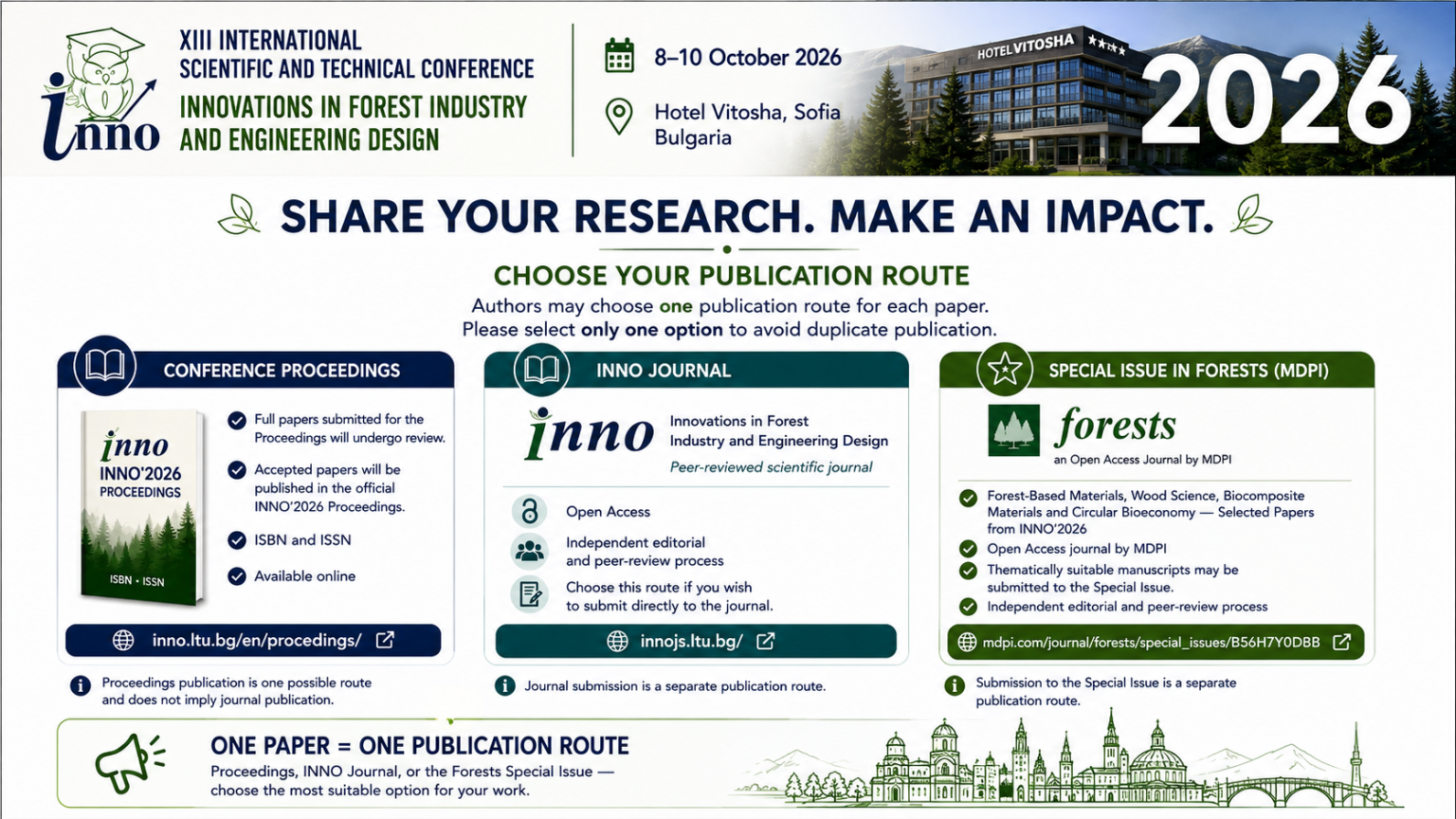
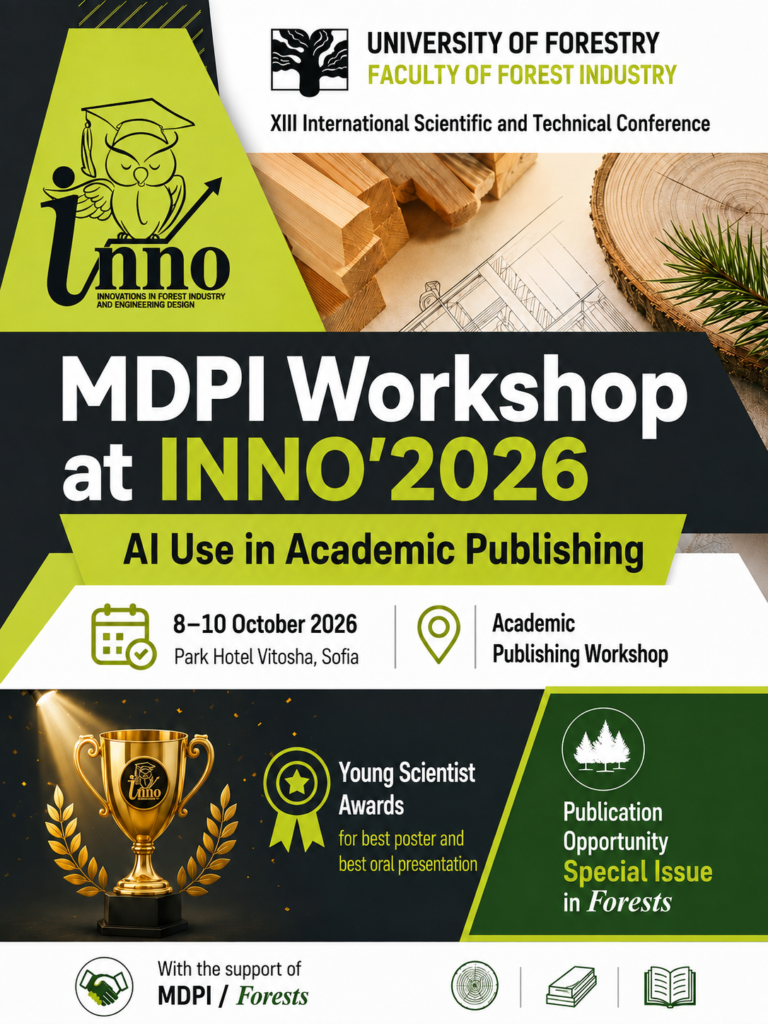
С подкрепата на MDPI в рамките на конференцията ще се проведе специализиран уъркшоп „AI Use in Academic Publishing“, посветен на възможностите, отговорното използване и предизвикателствата на изкуствения интелект в академичното публикуване.
Възможност за публикуване
Тематично подходящи разработки могат да бъдат подадени за разглеждане в специалния брой на Forests “Advanced Research and Technology on Biomass Materials in Forestry”, съгласно стандартната редакционна и рецензионна процедура на списанието.
Награди за млади учени
Предвидени са отличия за най-добра устна презентация и най-добър постер, представени от млади учени по време на INNO’2026.
Предварителна програма
08.10.2026 (Четвъртък)
TIME
PLANNED ACTIVITIES
09:00–10:00
REGISTRATION OF PARTICIPANTS
10:00–10:30
OPENING REMARKS, Vitosha Hall
10:30–13:00
PLENARY SESSION, Vitosha Hall
13:00–13:15
GROUP PHOTO OF ALL CONFERENCE PARTICIPANTS
13:15–14:15
LUNCH
14:15–15:30
SESSION 1: SCIENCE-INDUSTRY PANEL: APPLIED RESEARCH, INNOVATION AND TECHNOLOGY TRANSFER, Vitosha Hall
15:30–16:00
COFFEE BREAK
16:00–17:00
SESSION 2: WOOD MATERIALS, MODIFICATION AND SUSTAINABLE COMPOSITES, Vitosha Hall
17:00–18:00
SESSION 2: WOOD MATERIALS, MODIFICATION AND SUSTAINABLE COMPOSITES, Vitosha Hall
19:00
GALA DINNER, Park Hotel Vitosha Restaurant “Toscana”
09.10.2026 (Петък)
TIME
PLANNED ACTIVITIES
09:00–10:45
HALL 1: SESSION 3 – Forest Resources, Climate Adaptation and Ecosystem Assessment
HALL 2: SESSION 6B – Wood Materials, Engineered Products and Sustainable Applications
10:45–11:15
COFFEE BREAK / POSTER PRESENTATIONS
11:15–13:00
HALL 1: SESSION 4 – Sawmilling, Steaming, Wood Machining and Primary Processing
HALL 2: SESSION 6C – Wood Materials, Composites, Coatings and Sustainable Products
13:00–14:00
LUNCH
14:00–15:30
HALL 1: SESSION 5 – Wood Machining, Laser Technologies and Machinery
HALL 2: SESSION 7A – Furniture, Design, Visualization and Interior Design – Part 1
15:30–16:00
COFFEE BREAK / POSTER PRESENTATIONS
16:00–17:30
HALL 1: SESSION 6A – Circular Bioeconomy, Energy and Sustainable Management
HALL 2: SESSION 7B – Furniture, Design, Visualization and Interior Design – Part 2
17:30–19:00
POSTER SESSION, YOUNG SCIENTISTS' PRESENTATIONS AND THEMATIC DISCUSSIONS
Hall 1 – Part 1 | Hall 2 – Part 2
10.10.2026 (Събота)
TIME
PLANNED ACTIVITIES
09:00–10:00
SESSION 8A: EDUCATION AND ARTIFICIAL INTELLIGENCE, Hall 1
10:00–10:30
BREAK
10:30–11:30
SESSION 8B: INDUSTRY INNOVATION, CIRCULAR ECONOMY AND MANAGEMENT, Hall 1
11:30–12:00
BREAK
12:00–15:00
ROUND TABLE AND CLOSING SCIENTIFIC DISCUSSION, Vitosha Hall
After 15:00
CULTURAL PROGRAMME / DEPARTURE OF PARTICIPANTS
Конференцията се организира с подкрепата на

Повече за конференцията
Конференцията има за основна цел да се създаде среда за обмяна на научна информация, споделяне на добри производствени практики и осъществяване на личен контакт между изследователи, експерти, преподаватели, студенти и представители от бизнеса, работещи в областта на дървообработването, производството и дизайна на мебели и изделия от дървесина.
Тематични направления:
- суровинна база;
- дървообработващи машини и съоръжения;
- технологии в дърводобива и дървообработването;
- технологии при производството на мебели и изделия от дървесина;
- интериор и мебелен дизайн;
- материали и конструкции в мебелите;
- икономика, организация и управление;
- естествените науки в помощ на горската промишленост и инженерния дизайн;
- иновации в образователния процес.
Участници в конференцията:
- университетски преподаватели и изследователи;
- представители от научни организации;
- докторанти и студенти;
- представители на образователни и държавни институции;
- представители от бизнеса.
Пленарни Доклади iNNO`2026
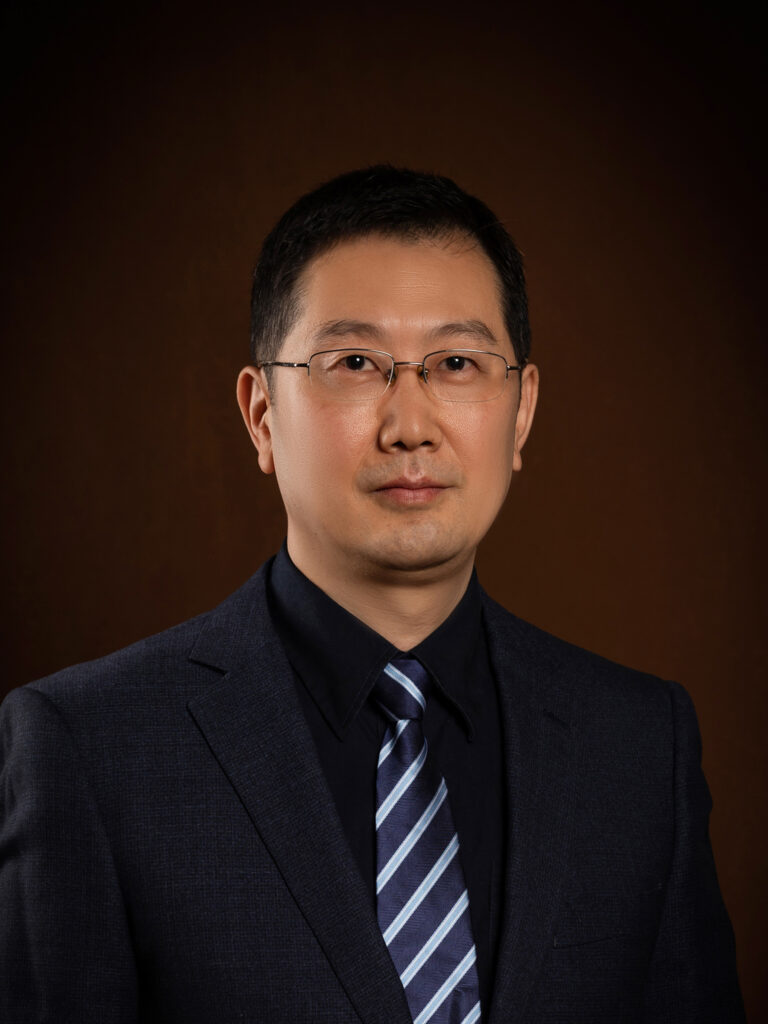
Prof. Dr. Qiang Xu.
School of Mechanical Engineering, Nanjing University of Science and Technology, China
Evaluate Flammability of Wood by Multiple Scale Tests
ABSTRACT
Understanding wood flammability is essential for accurately assessing fire hazards in wooden structures, guiding the selection of low-flammability species, and designing effective fire-retardant treatments. This will help to quantify its intrinsic tendency to ignite, sustain combustion, and release heat when exposed to a heat source, and to reduce fire risks associated with wood use. Evaluating the flammability of wood requires a comprehensive approach that spans multiple scales, from micro scale test, to bench scale, then to real-scale fire scenarios test. This presentation will present the results of experimental measurements on wood flammability at different scales, from Microscale Combustion Calorimetry ASTM D7309, bench scale cone calorimetry ISO 5660, and room scale test ISO 9705. These results provide the fundamental data on ignition time, heat release rate, mass loss under controlled radiant heat fluxes, flame spread behavior, flashover potential, smoke production, and structural integrity loss. These would be contribute to building codes, material selection, and fire safety engineering, ultimately reducing the risk of wood-related fire accidents as key reference.
Keywords: flammability, wood, different scales, heat release rate

Prof. Dr. Georgios Ntalos.
School of Technology. Department of Forestry, Wood Science & Design. University of Thessaly, Greece
Mechanical and Hygroscopic Properties of Castanea Sativa Wood originated from Holy Mountain of Greece
ABSTRACT
The physical and mechanical features of the mature wood of Castanea sativa have been characterized in detail. Appropriate wood species have been selected from the wood sector literature over the years. We focused on a wood species which has contributed significantly and durably throughout Europe in terms of economic and cultural significance for the individual countries of Europe. Athos chestnut wood samples were described using a 0.62 g/cm3 density value at an average equilibrium moisture content of 9.2% and an oven-dry density of 0.57 g/cm3. Tangential shrinkage of 6.6% and radial of 3.8%. The determined mean modulus of rupture is 108 N/mm2 and the static modulus of elasticity of the data set is 10,360 N/mm2. Janka hardness value for chestnut heartwood was 41.1 N/mm2 side and 48 N/mm2 face, while the compression strength parallel to grain was 39.5 N/mm2. Moisture content at 65% relative humidity and 20° C was 11.5%, while the fiber saturation point was 20.8%.
Keywords: Castanea sativa, mechanical properties, hydroscopic properties.

Prof. Dr. Jerzy Smardzewski.
Poznan University of Life Science, Faculty of Forestry and Wood Technology, Department of Furniture Design, Poland
AUXETICS, FROM WOOD AND FOR FURNITURE
ABSTRACT
The objective of this lecture is to illustrate the capacity to transform natural wood and its
composites into an active, smart structural material with a negative Poisson’s ratio that is, a
material with auxetic properties. Consequently, the development of smart wooden components
that exhibit auxetic mechanical behavior has become a viable prospect. These components have
been engineered to respond to environmental factors such as humidity, temperature, and
external stresses, thereby demonstrating adaptability. This innovation paves the way for the
integration of a novel category of passively intelligent biological materials within the domain
of furniture design, thereby unveiling considerable prospects for implementation in the realm
of adaptive architecture. Furthermore, the utilization of auxetics in various structural
applications will be examined, including their application as joints in wooden structures, thin–
walled structures with synclastic properties, and in the context of responsive cores in
honeycomb panels. Examples of the use of auxetics in the design of reactive mattresses and
seats for upholstered furniture will be illustrated. Furniture incorporating auxetics can indeed
represent an intriguing offering that meets the needs of consumers seeking smart solutions for
ready–to–assemble (RTA) furniture or mass–customized upholstered furniture tailored to users’
individual biomechanical preferences.
Keywords: auxetics, wood, composites, panels, furniture, customer

Prof. Dr. Tomasz Krystofiak.
Poznan University of Life Sciences, Faculty of Forestry and Wood Technology, Department of Wood Science and Thermal Techniques, Poland
QUO VADIS WOOD TECHNOLOGY?
ABSTRACT
In the light of dynamic climate change, the raw materials crisis and the digital transformation, the timber industry is at a turning point. This presentation attempts to address the question of the sector’s future in the context of the synergy between science and economic practice WSEEP (the Wood-Science-Economy-Ecology-Practice initiative).
The main focus of the discussion is the evolution of wood surface finishing and gluing processes. The transition from traditional methods to low-carbon and energy-efficient technologies, such as UV-cured systems will be presented. In the era of the circular economy (CE), a key challenge is the development of modern functional materials which, on the one hand, will increase the durability of products and, on the other, will allow for their safe disposal or recycling.
The presentation will also address the issue of digitalisation – from the automation of production lines to the use of artificial intelligence in optimising raw material consumption. The speaker will emphasise that the future of wood technology lies not only in new machinery, but above all in an innovative approach to wood as a strategic raw material, which, in the spirit of Industry 5.0, must combine high efficiency with care for human well-being and the natural environment.
Emphasis will be placed on international cooperation and staff training. Using examples of initiatives undertaken in Poland, the role of international projects, dual training and applied PhD programmes will be presented as a bridge linking academic research into wood with the practical needs of wood technology.
Keywords: wood technology, WSEEP, UV system, circular economy, Industry 5.0, sustainability

Prof. Dr. Vassil Jivkov.
Head of the Department of Interior and Furniture Design, Faculty of Forest Industry, University of Forestry – Sofia, Bulgaria
Chairman of the Board, Bulgarian Branch Chamber of Woodworking and Furniture Industry (BCWFI)
Member of the Board, European Furniture Industries Confederation (EFIC)
ECODESIGN AND FURNITURE: CHALLENGES AND OPPORTUNITIES FOR THE EUROPEAN FURNITURE INDUSTRY
ABSTRACT
The transition towards a circular economy and the implementation of the Ecodesign for Sustainable Products Regulation (ESPR) are expected to significantly influence the development of the European furniture industry. The sector is characterised by a large number of small and micro-enterprises, a high diversity of products, materials and manufacturing technologies, and strong competition from imported products. At the same time, Europe has established competitive advantages in furniture design, quality, engineering, and high-value-added production.
This keynote paper discusses the main challenges and opportunities associated with implementing ecodesign principles in furniture, with particular emphasis on materials, furniture structures, and joining solutions. Extending product lifetime through reliability, maintenance and repair, improving material efficiency, and designing for effective end-of-life treatment are considered among the key priorities for future furniture development. However, individual circularity strategies should not be assessed in isolation. Increased recycled content, easy disassembly or the use of mono-material solutions do not necessarily result in more sustainable products if they compromise structural performance, durability, safety or functionality.
Particular attention is therefore given to the relationship between material selection, structural design, joint performance, disassembly and reassembly capability, repairability and recyclability. The paper argues that ecodesign requirements should be performance-oriented rather than prescriptive and should reflect the functional and structural diversity of furniture products. The role of modularity, detachable joints and priority components is discussed in relation to emerging European approaches and standards for furniture circularity.
The transition towards ecodesign represents a considerable technical and administrative challenge for European furniture manufacturers, particularly SMEs. At the same time, it creates opportunities for innovation in materials, furniture structures, joining systems, product lifetime extension, repair, upgrading and new circular business models. In this context, engineering design can become a key competitive advantage for the European furniture industry.
Keywords: ecodesign, furniture, circular economy, furniture structures, materials, detachable joints, durability, repairability, disassembly, recyclability
Поканени Лектори

Dr. Konstantinos Ninikas
University of Thessaly, Greece
Invited Opening Speaker
ENERGY RECOVERY FROM WOOD RESIDUES: THE ROLE OF LASER TECHNOLOGY IN OPTIMIZING CUTTING PROCESSES
ABSTRACT
The efficient management and valorization of wood residues is emerging as a central pillar in the modern wood industry’s transition toward sustainability and circular economy models. With increasing demand for wood products and mounting environmental concerns, innovative approaches for waste minimization and energy recovery are critical. A significant portion of wood processed at every production stage—from logging to final product shaping—ends up as residue, often underutilized. Harnessing these residues for thermal and electrical energy can greatly reduce the sector’s carbon footprint, improve energy self-sufficiency, and foster regional economic growth. Recent advances in laser technology have revolutionized wood and composite material processing, providing unparalleled precision, speed, and automation potential. Unlike conventional cutting methods, laser processing minimizes residue generation and enhances the quality and uniformity of the byproducts, making them ideal for immediate energy recovery or transformation into value-added products like pellets or biofuels. This study explores best practices and innovations in the energy recovery of wood residues, focusing on the catalytic role of laser technology. It examines types and forms of residues, energy recovery methodologies, and the multiple benefits for the environment, economy, and society. Technical details, industrial applications, and future prospects for laser integration are discussed, alongside challenges such as initial investment, skilled workforce requirements, and environmental and safety regulations.
Keywords: wood residues, laser manufacturing, cutting process optimisation

Dr. Mila Duncheva
Stora Enso Wood Products, Building Solutions
Invited Keynote Speaker
ENGINEERED WOOD PRODUCTS FOR MODERN AND SUSTAINABLE CONSTRUCTION IN THE UK AND WESTERN EUROPE
Dr. Mila Duncheva represents Stora Enso’s Business Area Wood and Energy, advancing the transition to low-carbon, circular construction. She focuses on scaling mass timber and industrialised construction systems. Previously, she worked at the Institute for Sustainable Construction and served as a Young Ambassador at the UK Construction Leadership Council. Duncheva continues her work in academia, supervising doctoral research on digital twins for net zero carbon and collaborative procurement.
At Stora Enso, she leads business development and global trend analysis to position engineered wood as a high-performance alternative to fossil-based materials. Her work includes procurement innovation and ESG-driven project development to ensure sustainable timber construction is delivered at scale. Stora Enso is Europe’s largest sawn timber producer and a leading manufacturer of Cross Laminated Timber.
IS THERE A BALCAN IDENTITY IN FURNITURE DESIGN?
OPEN DISCUSSION


Bistra Shishkova, Tzvetana Chipkova, Eli-Naya Konetsovska, Yana Lefterova
Invited Speakers
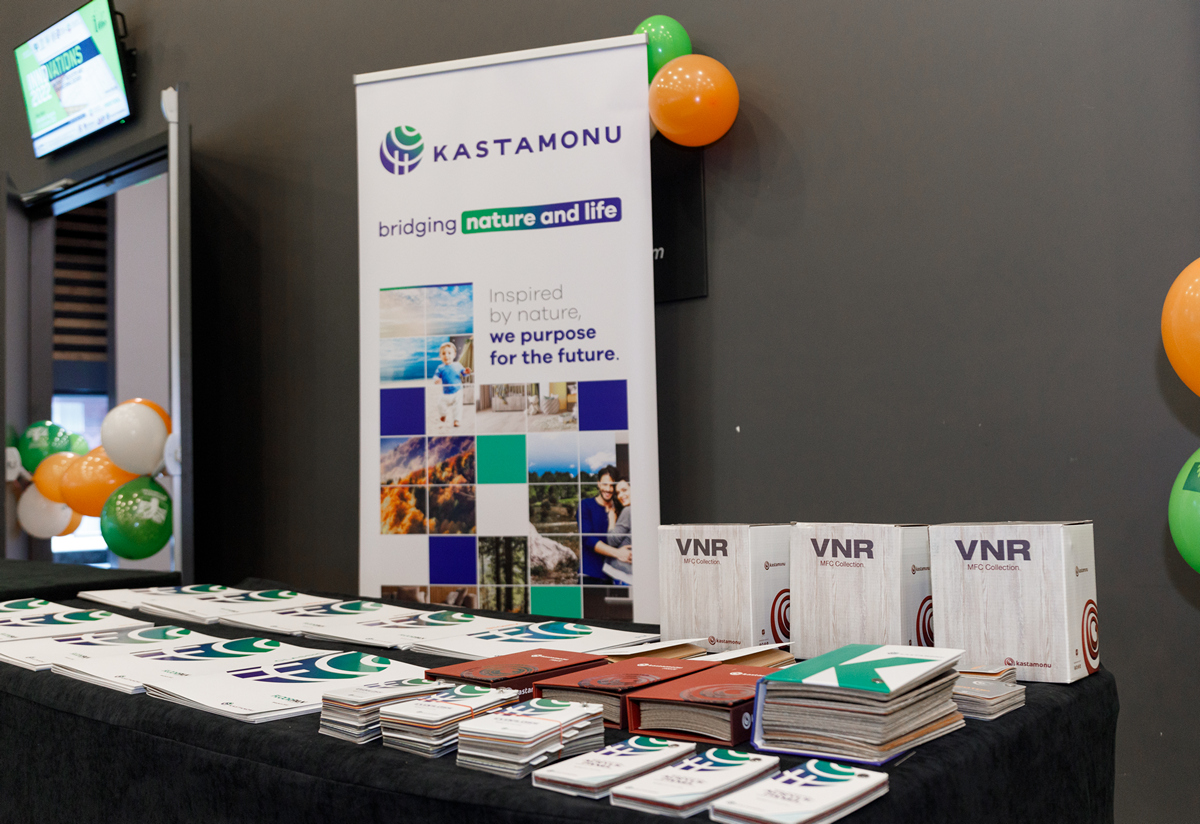
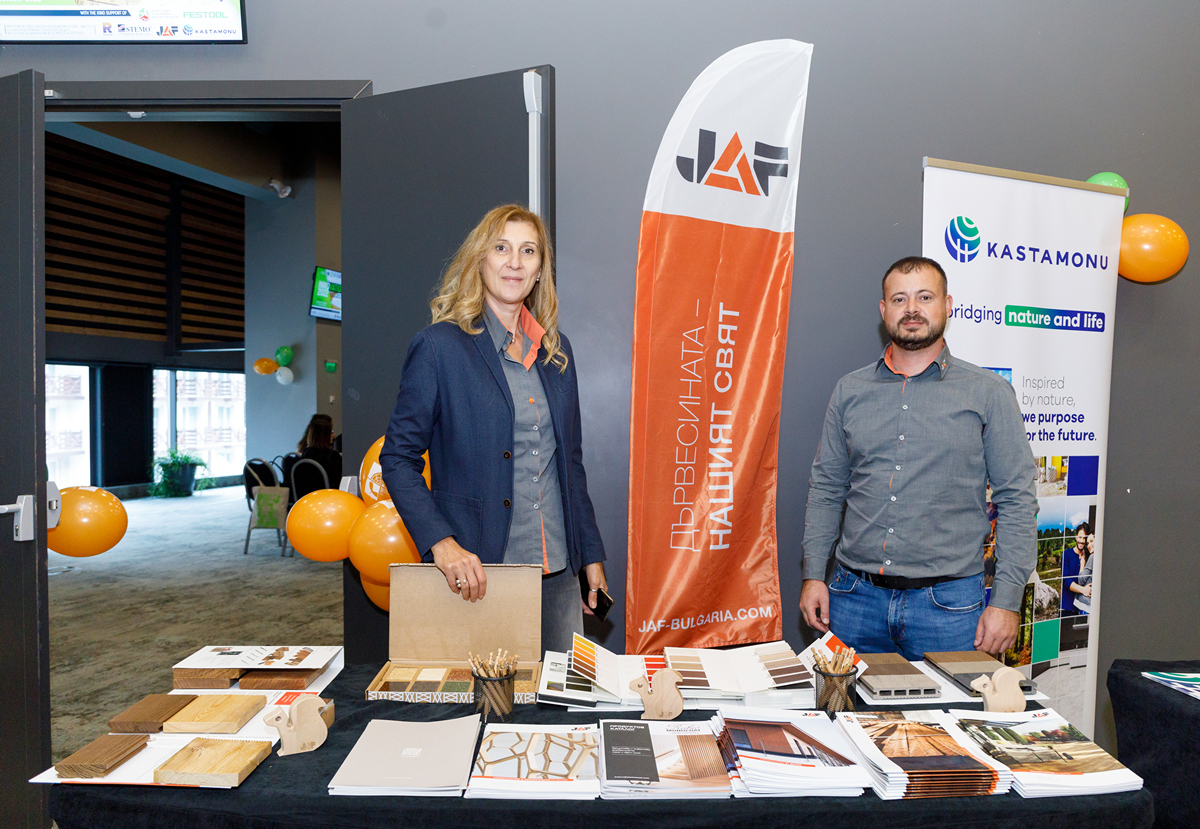
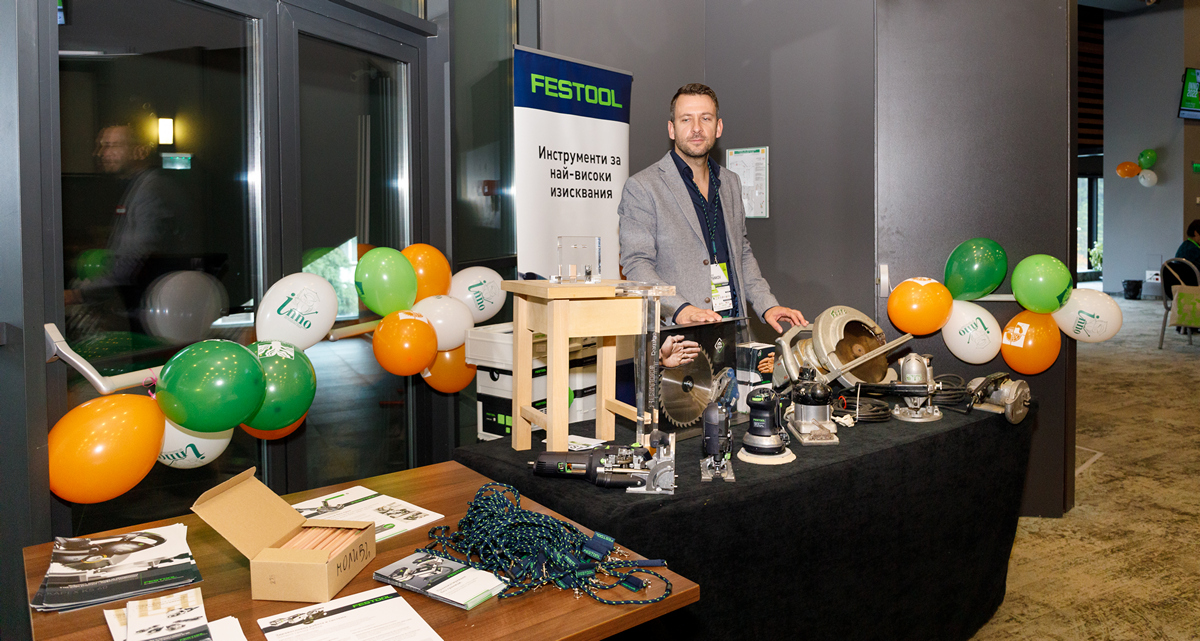
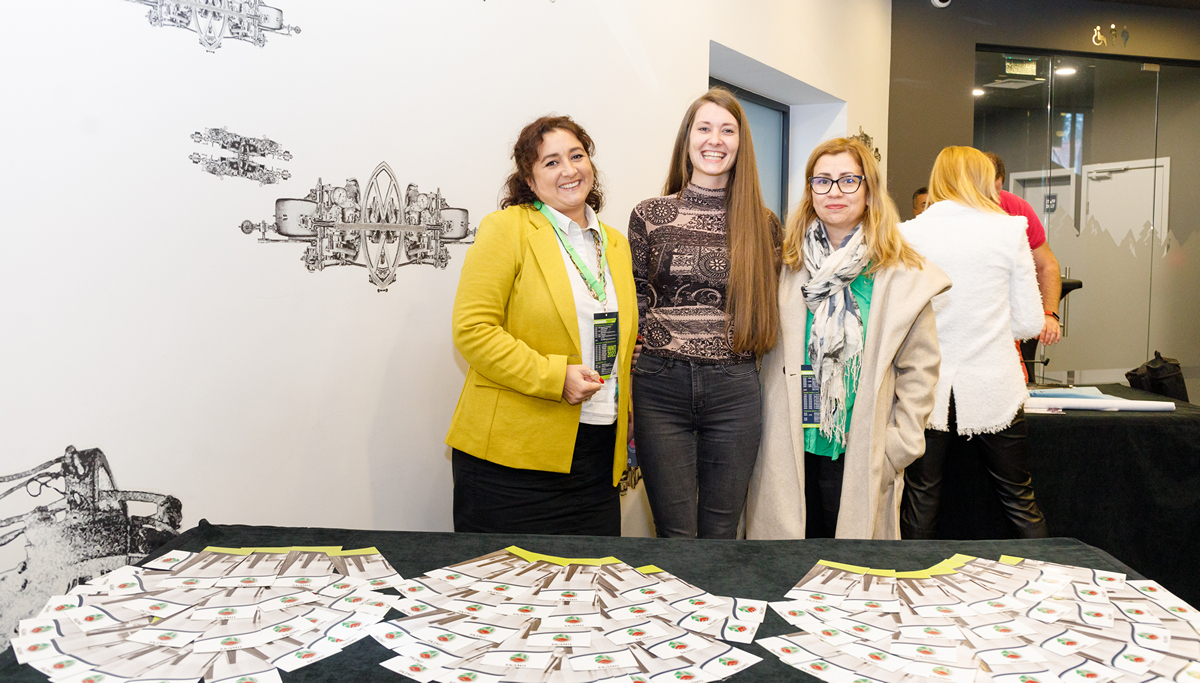
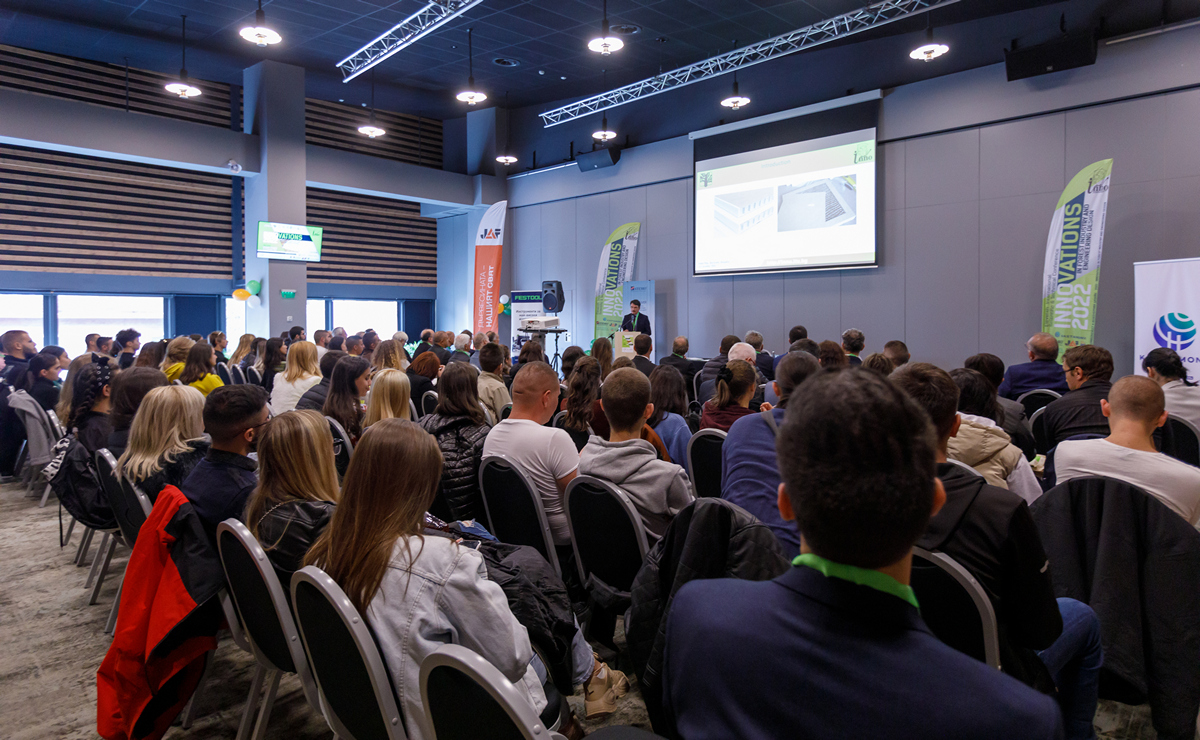
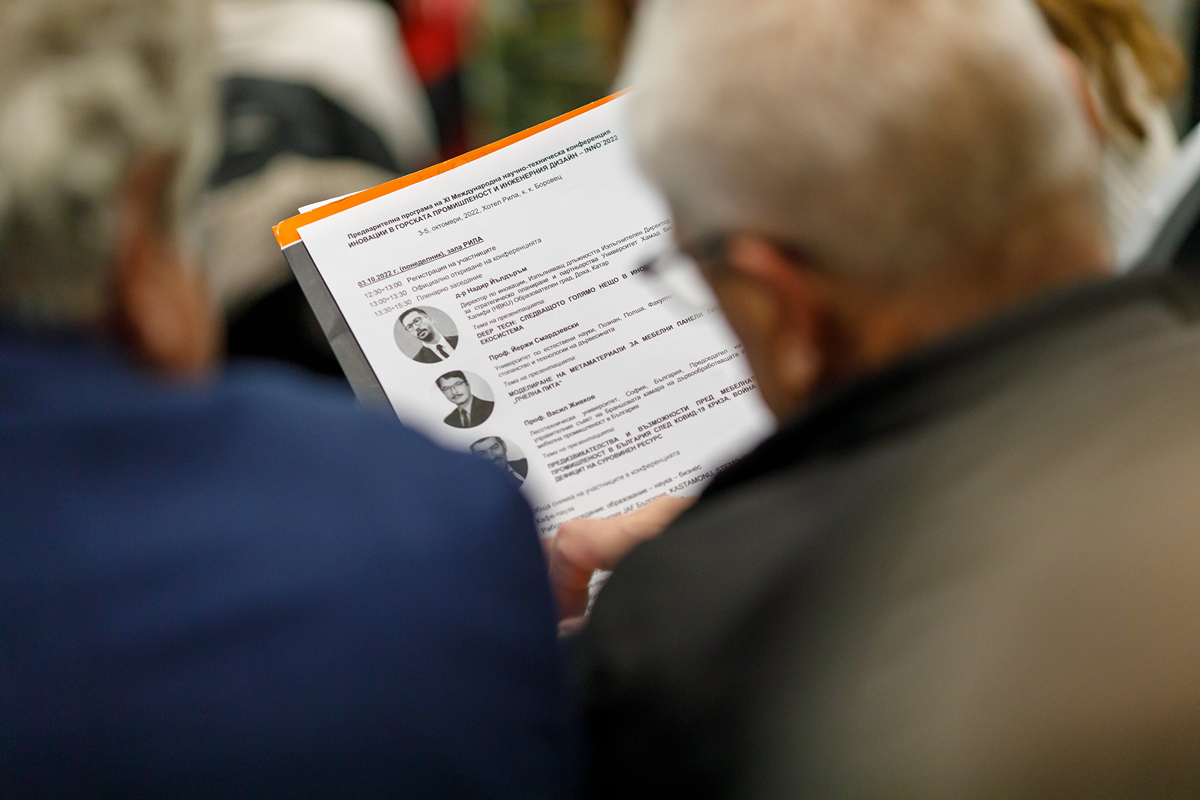
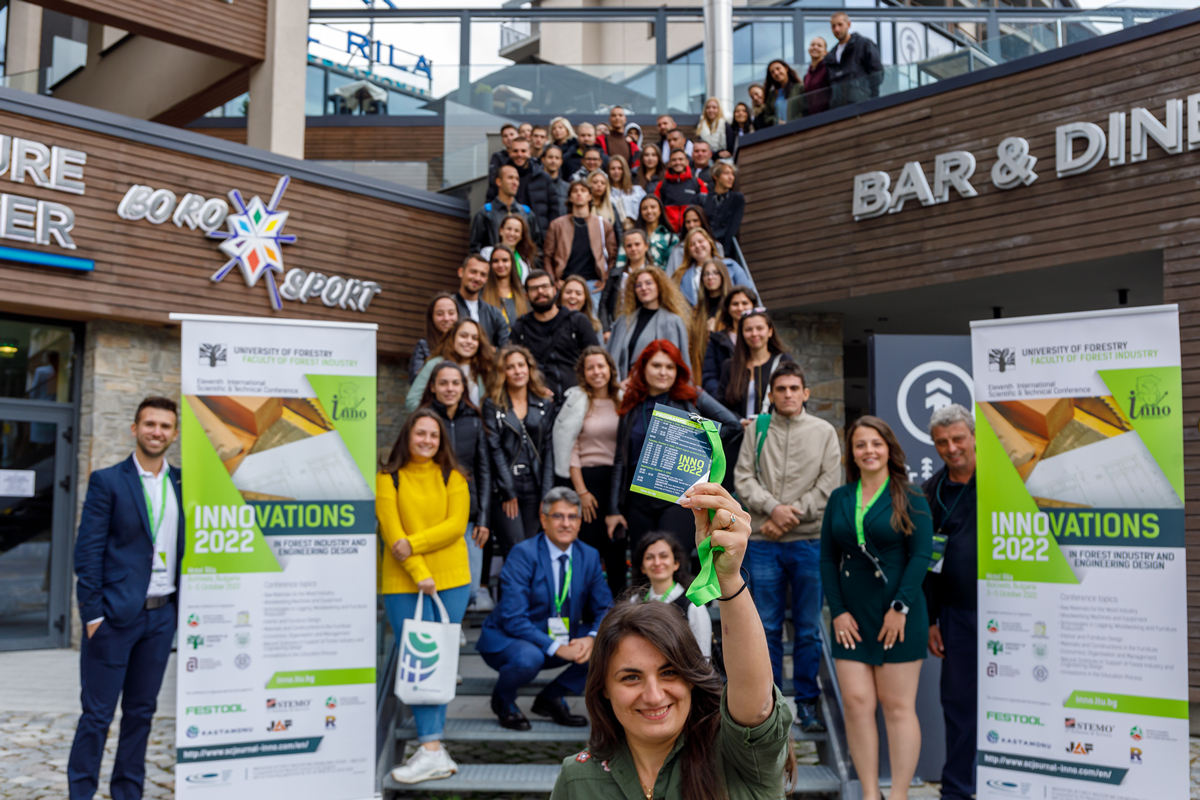
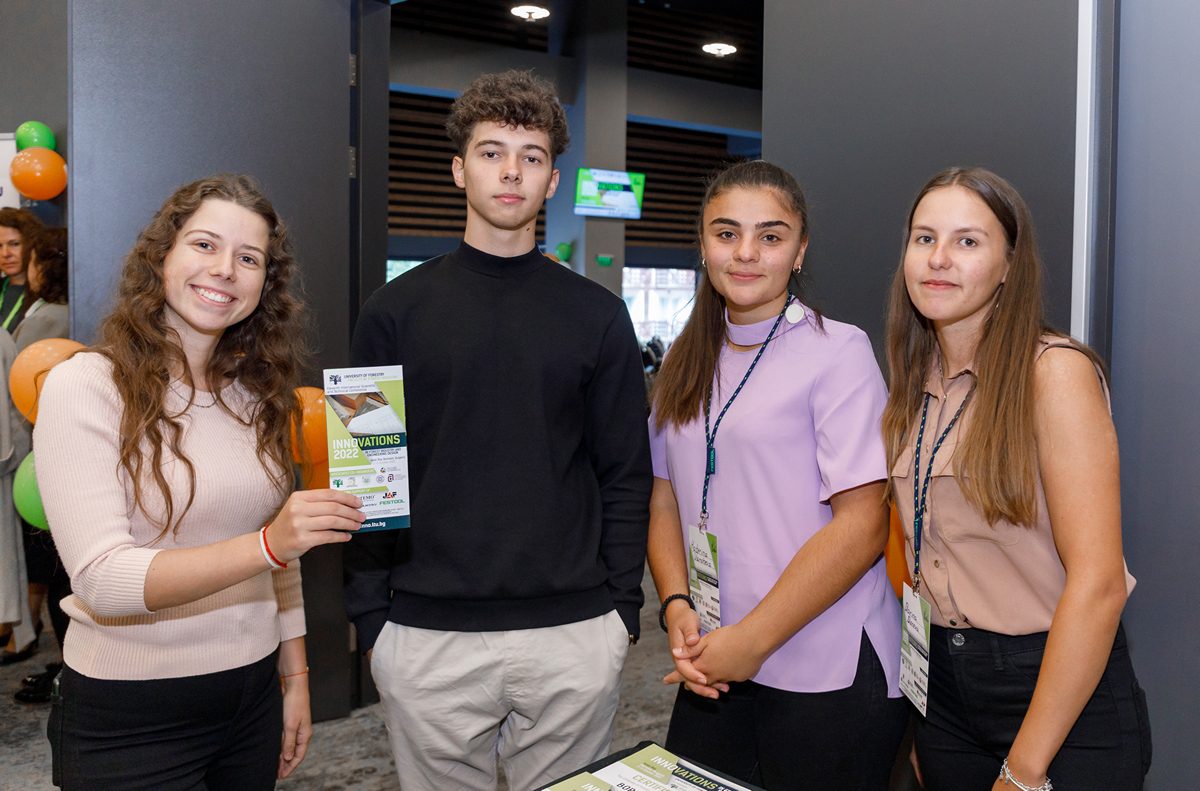
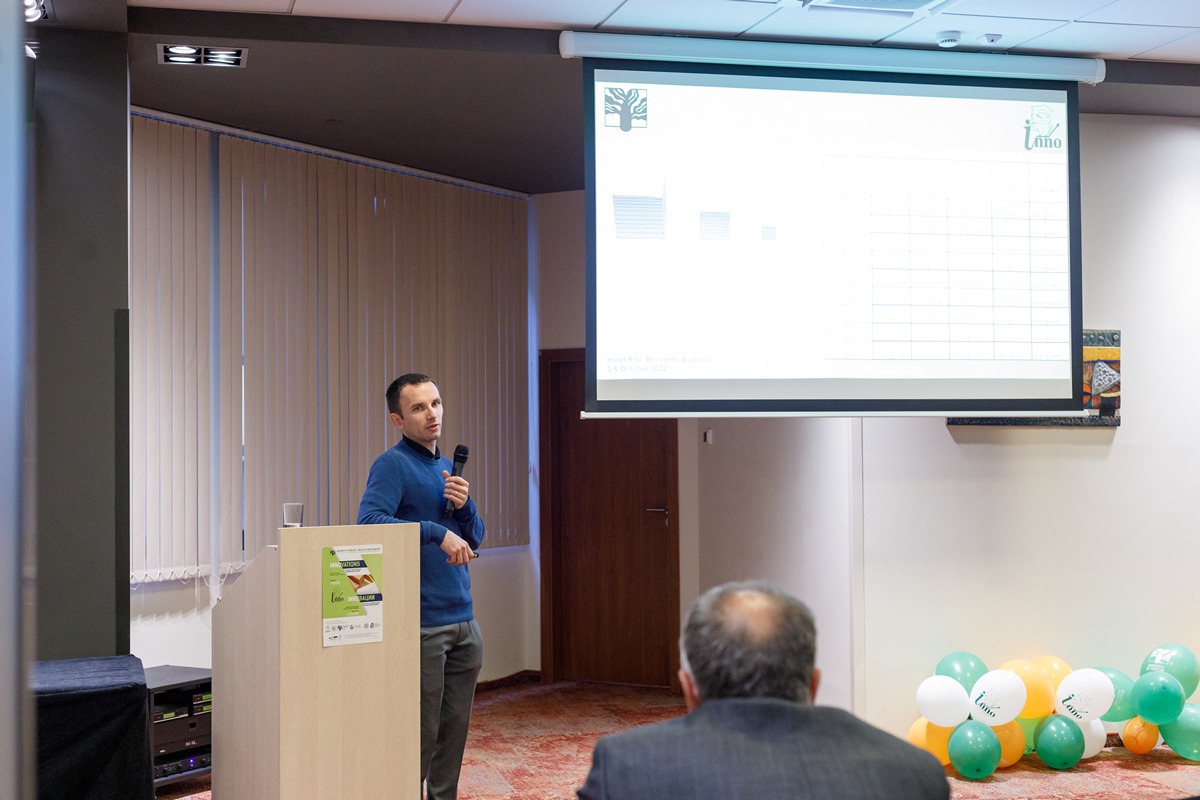
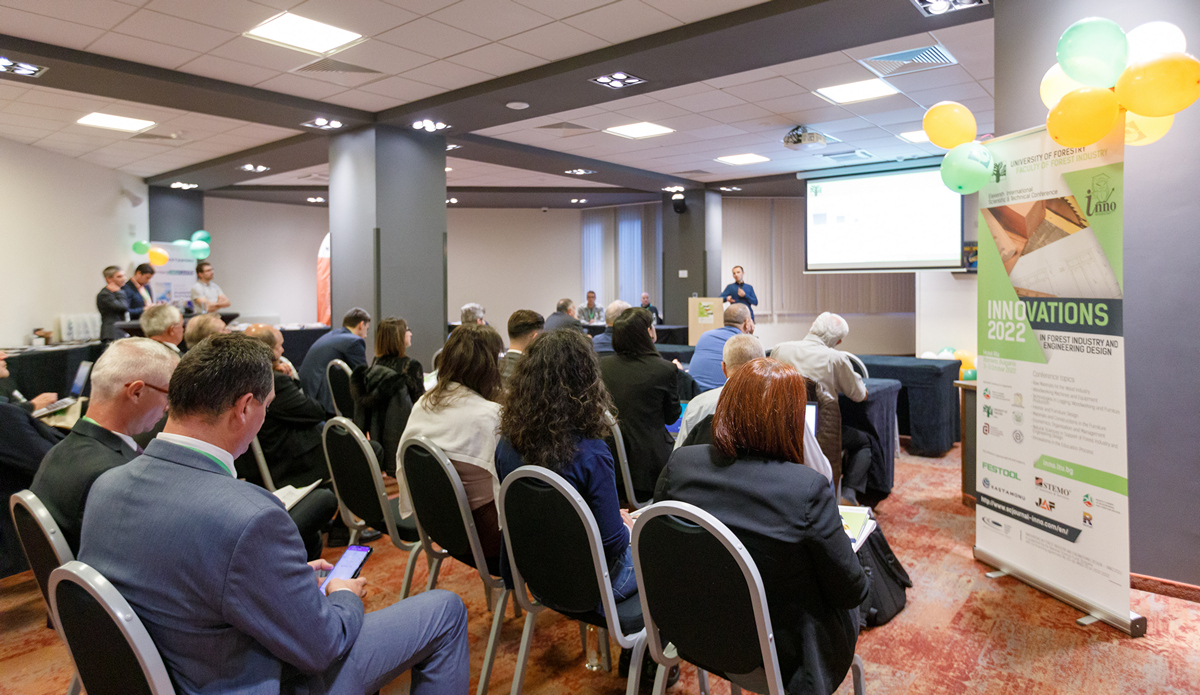
Галерия


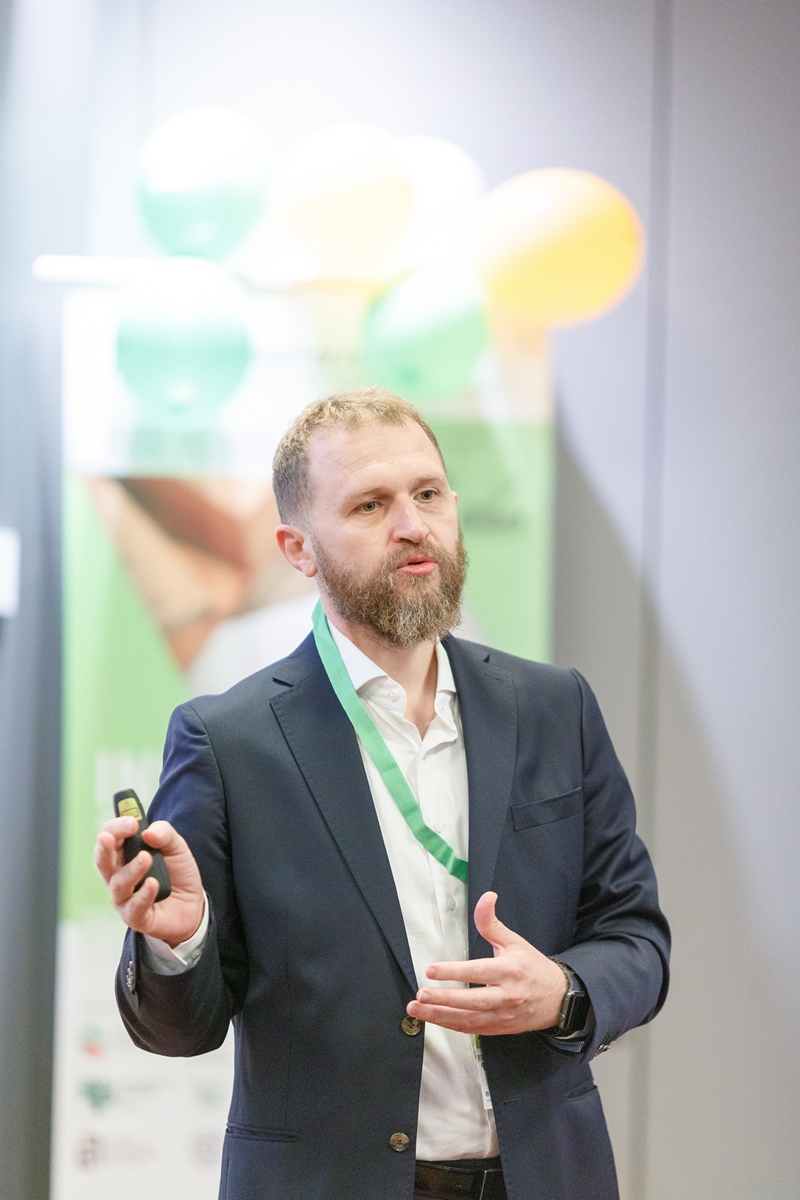
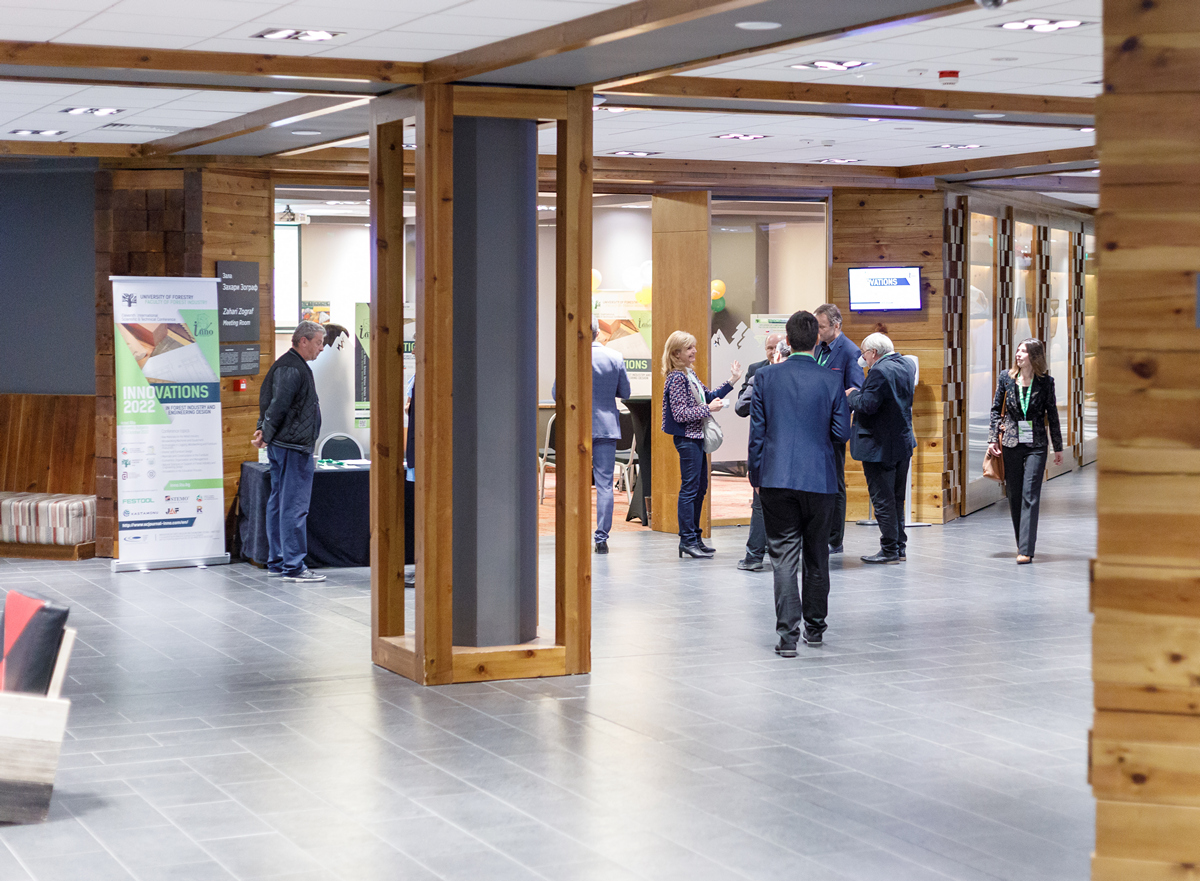

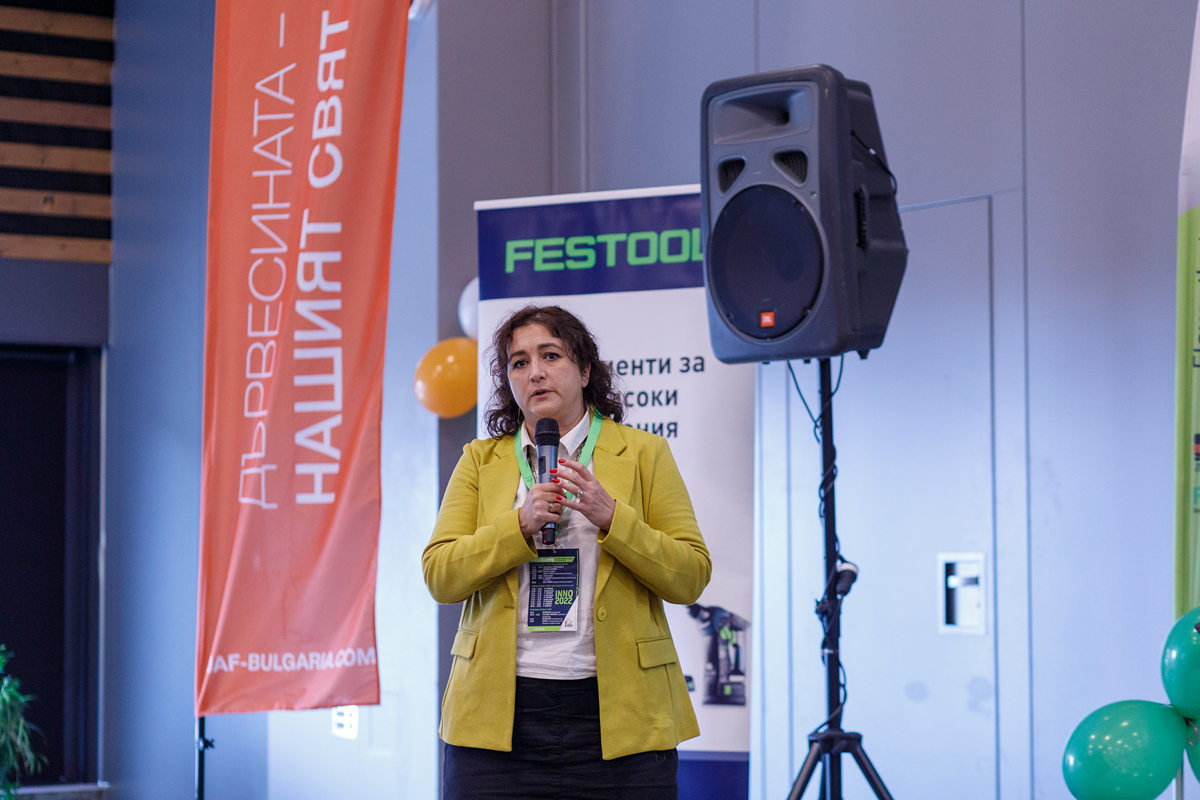
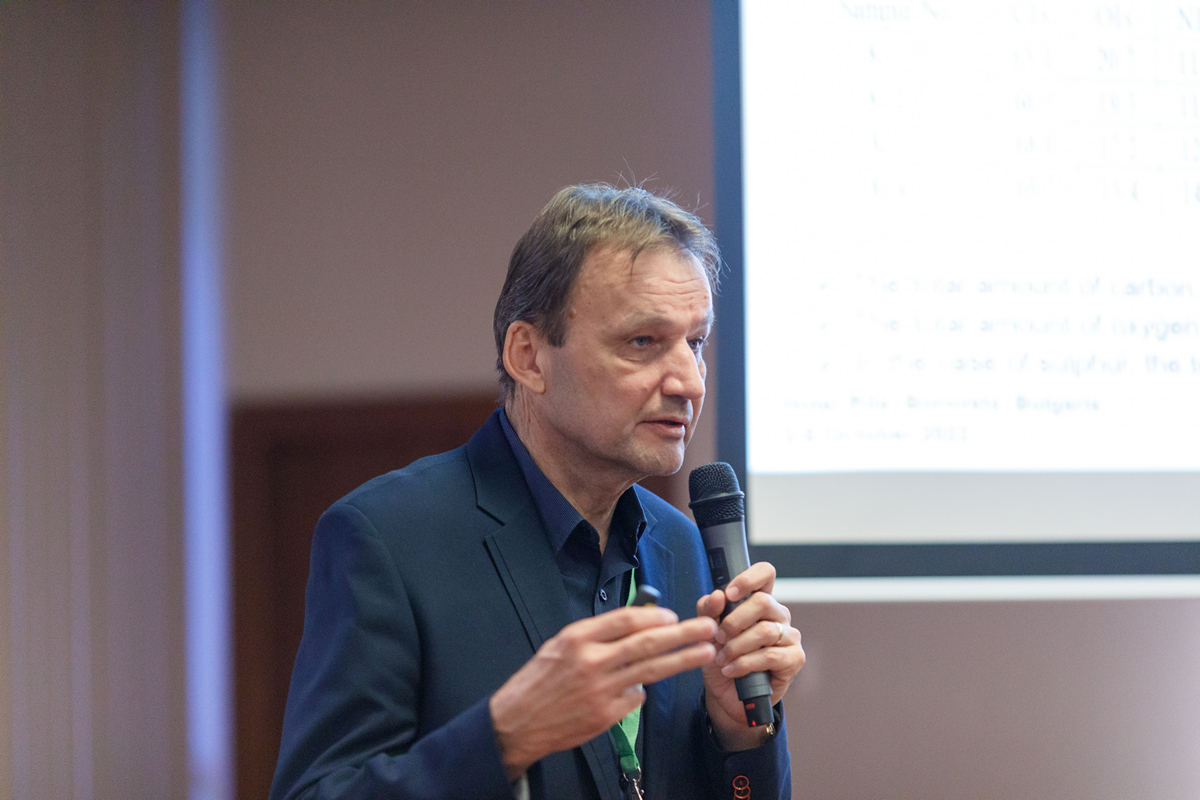
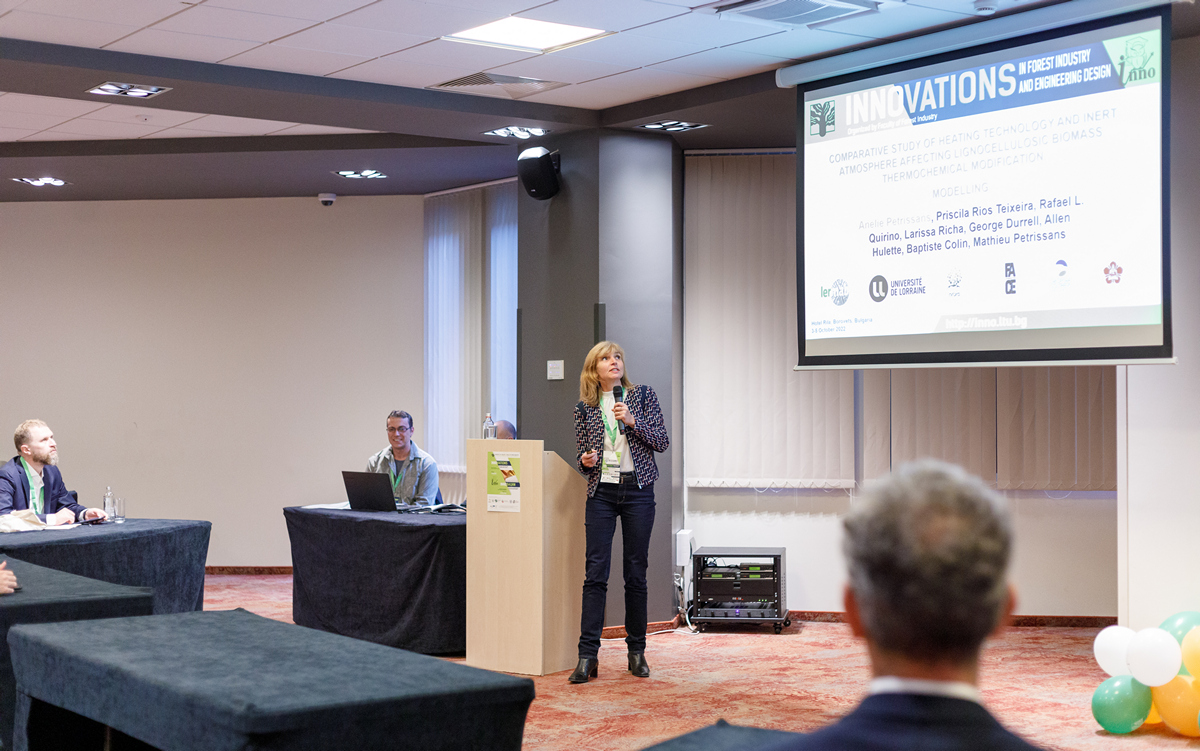

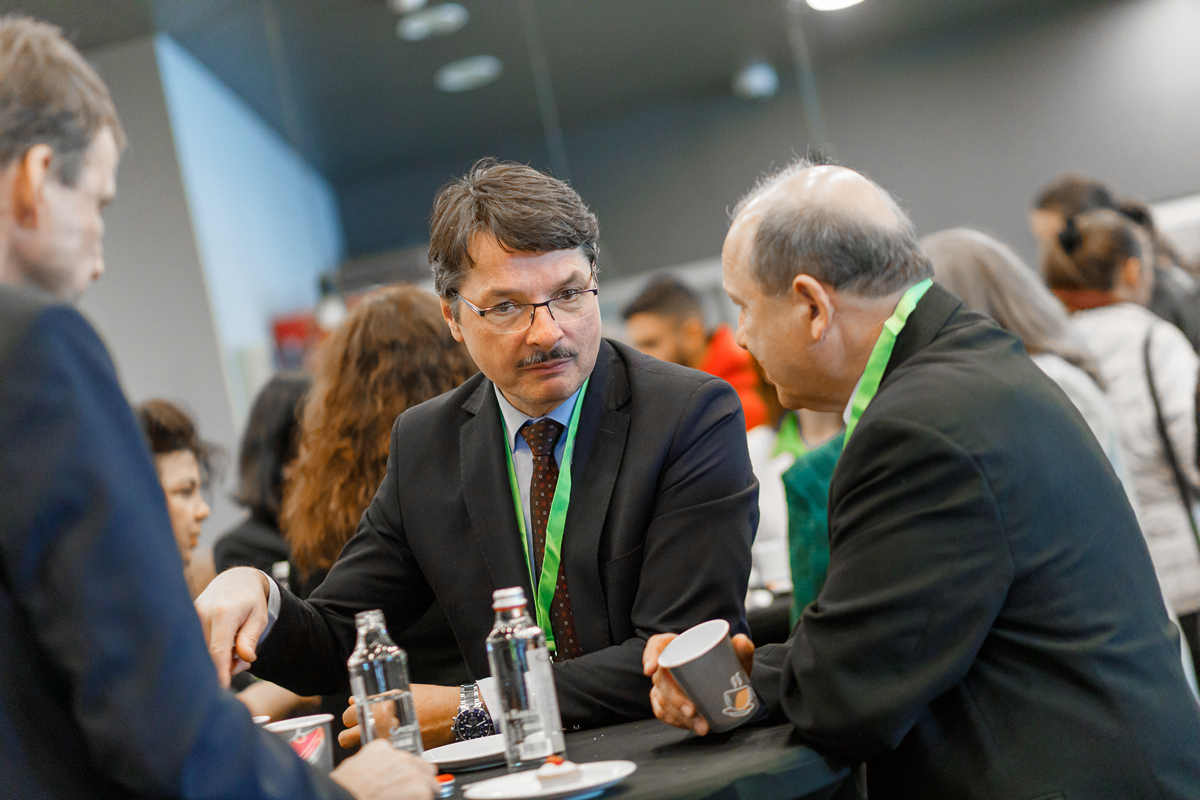
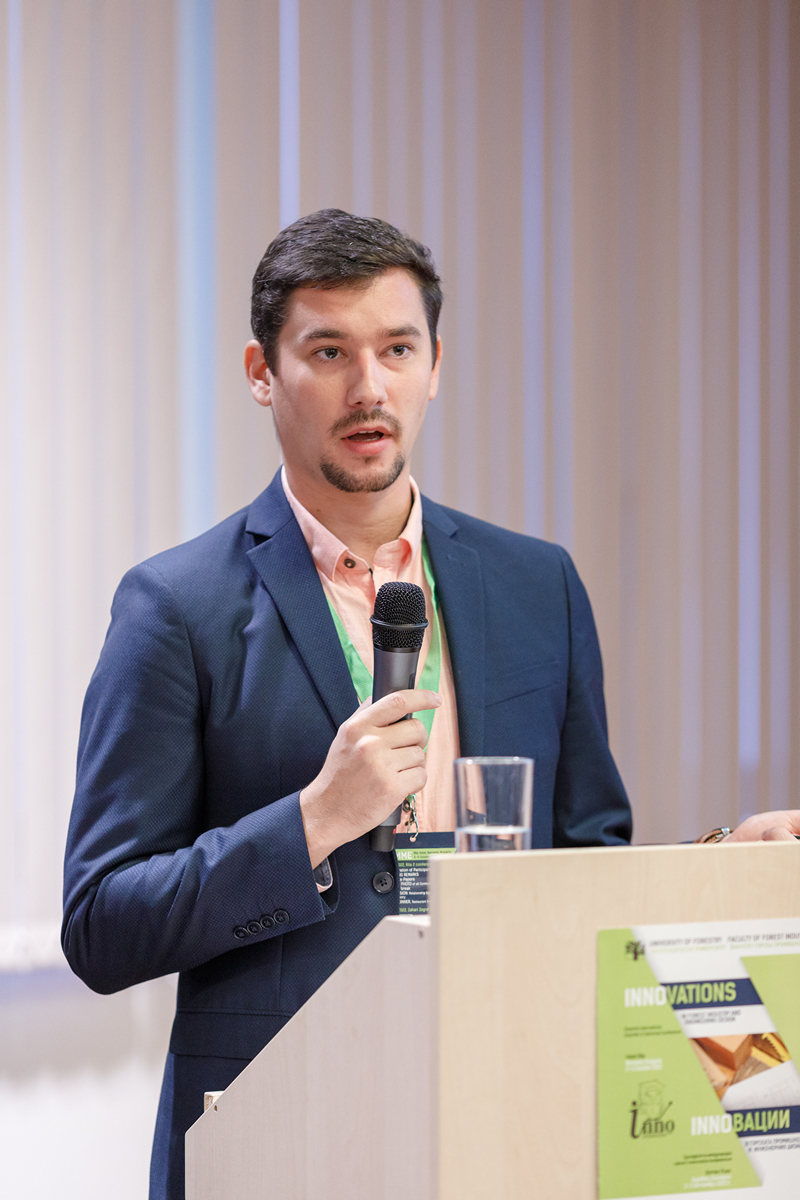

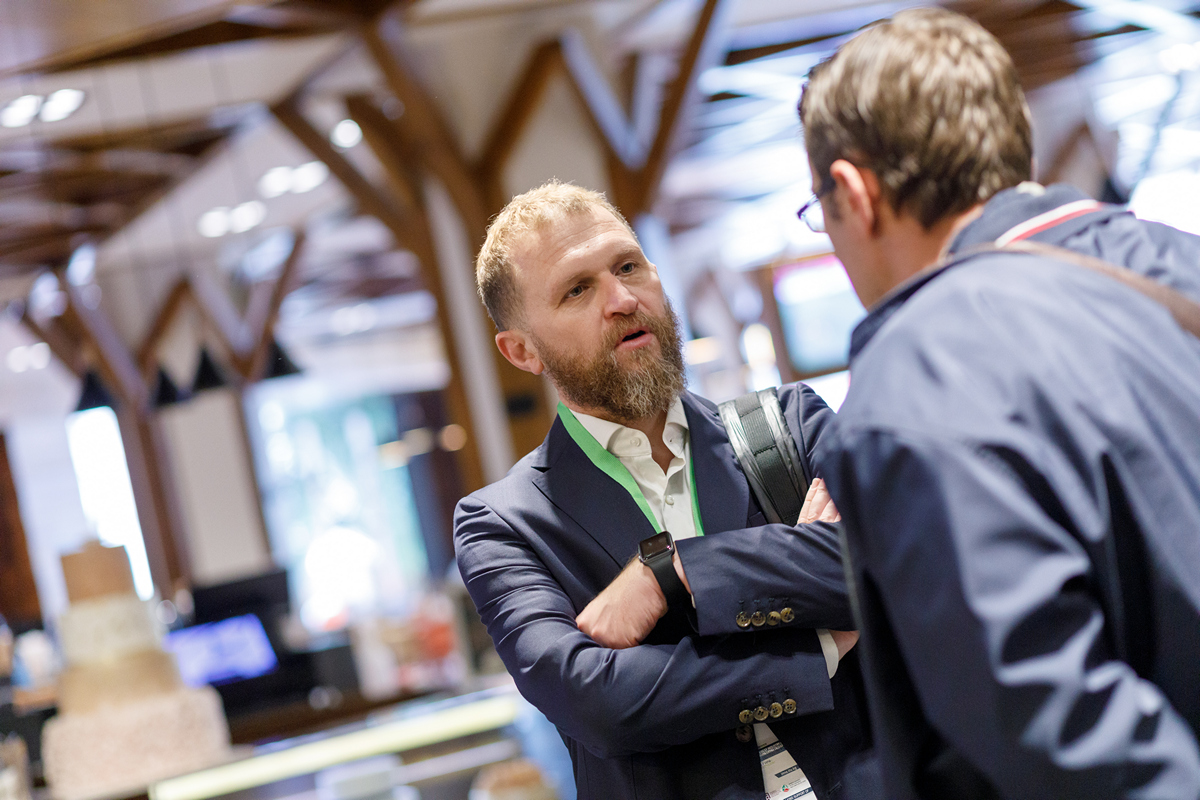
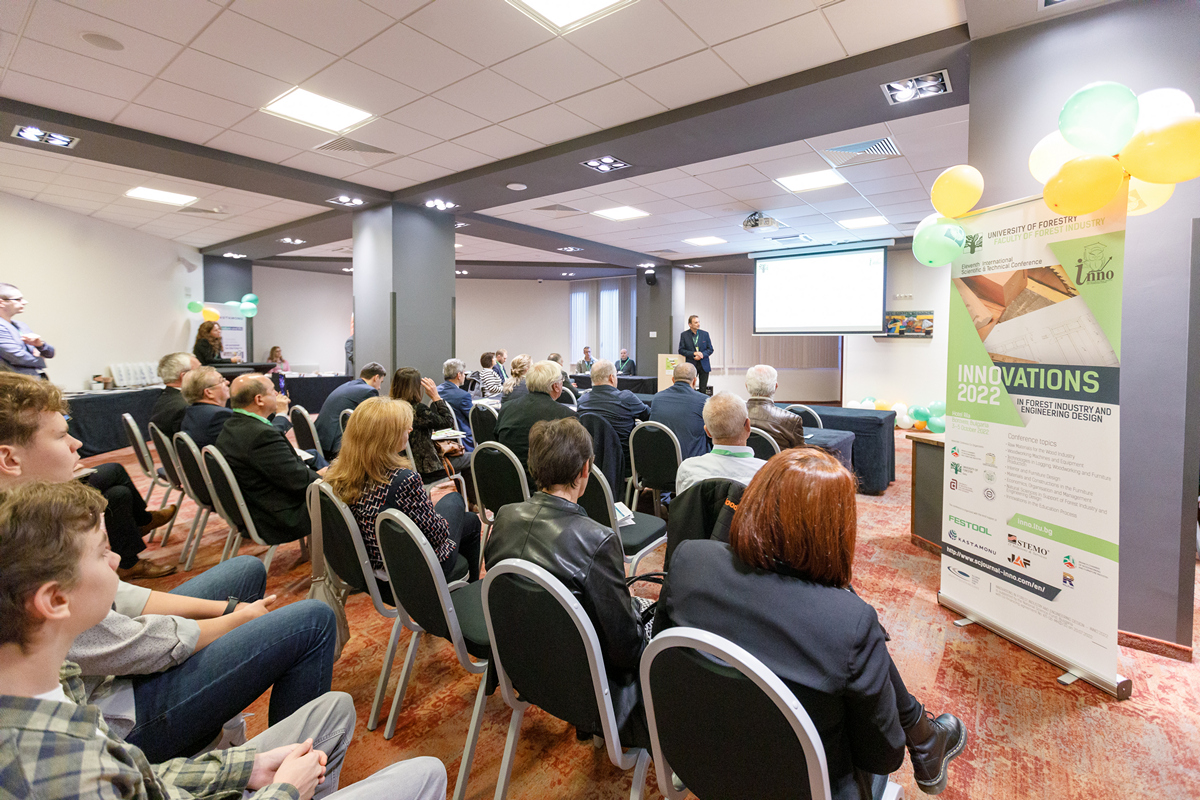
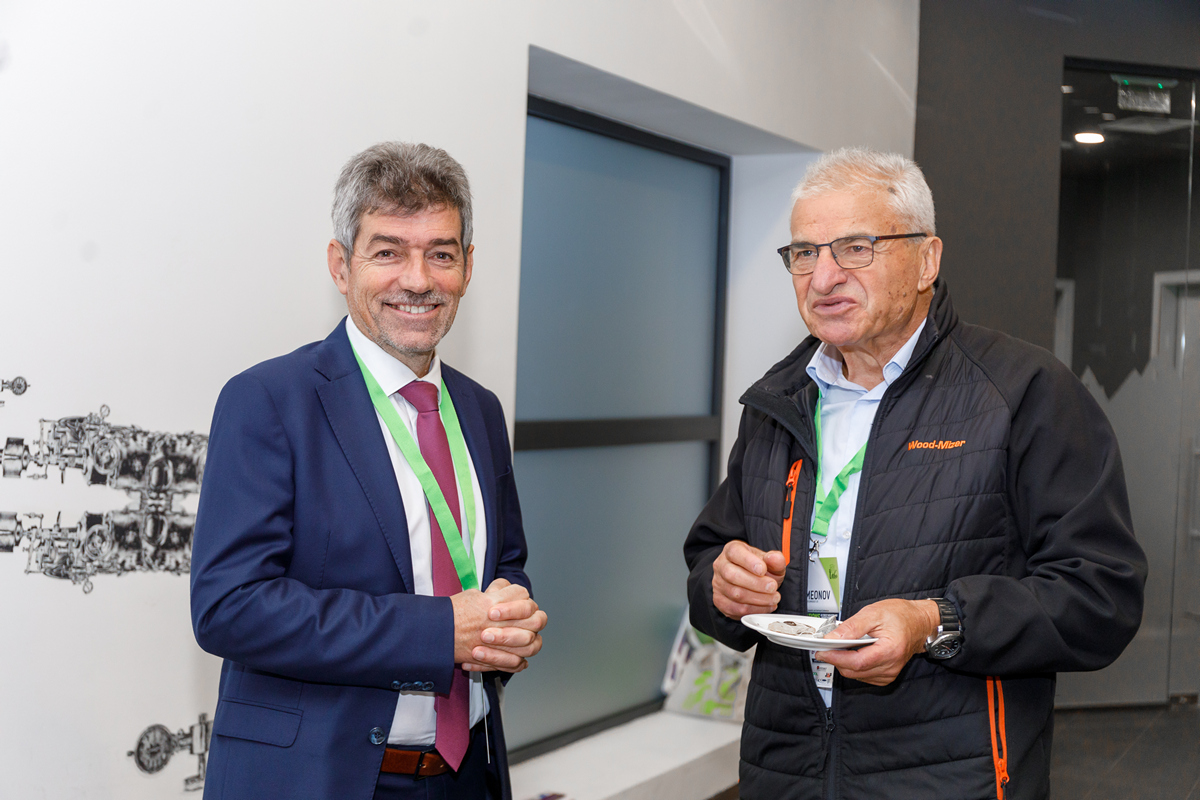


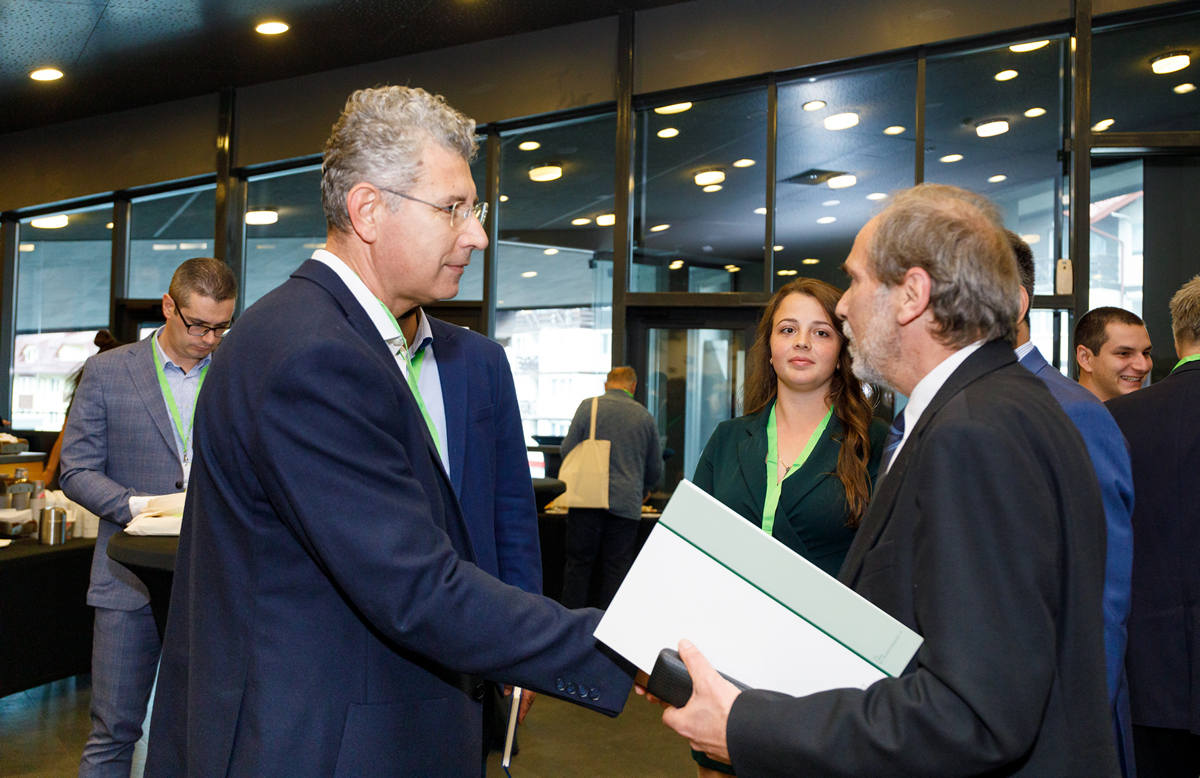

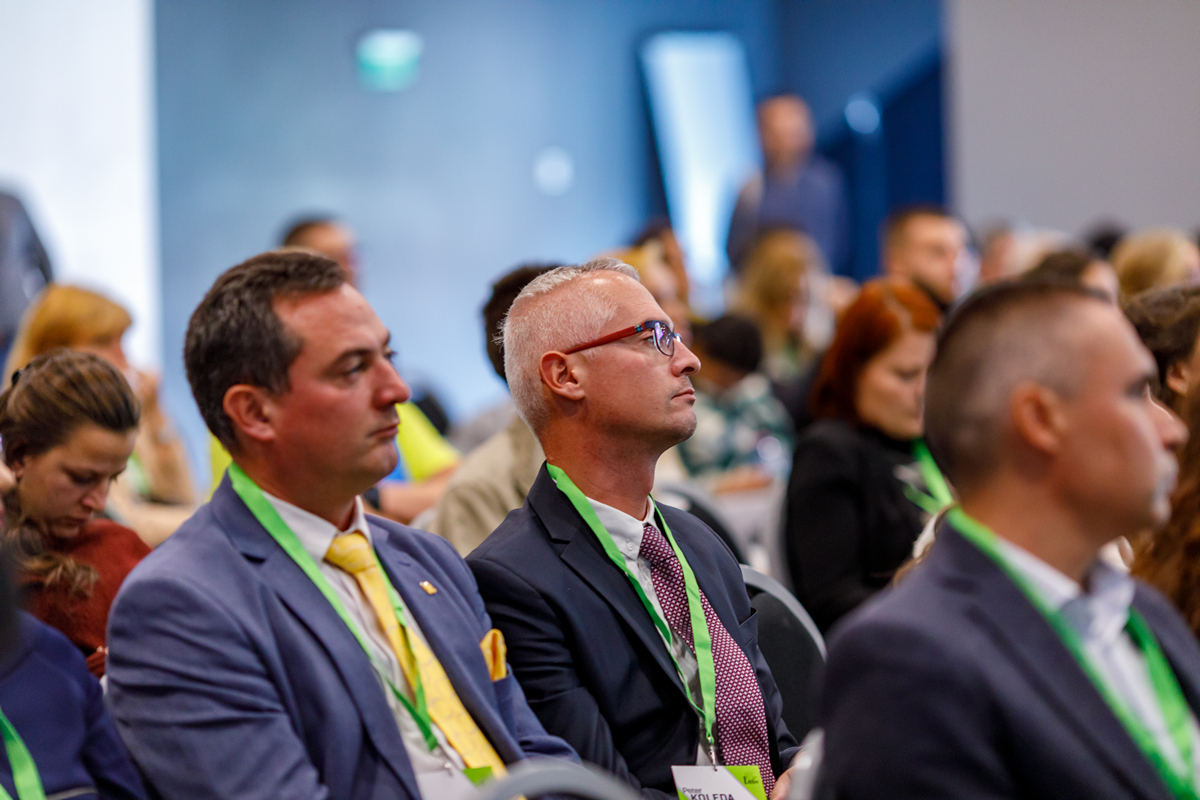











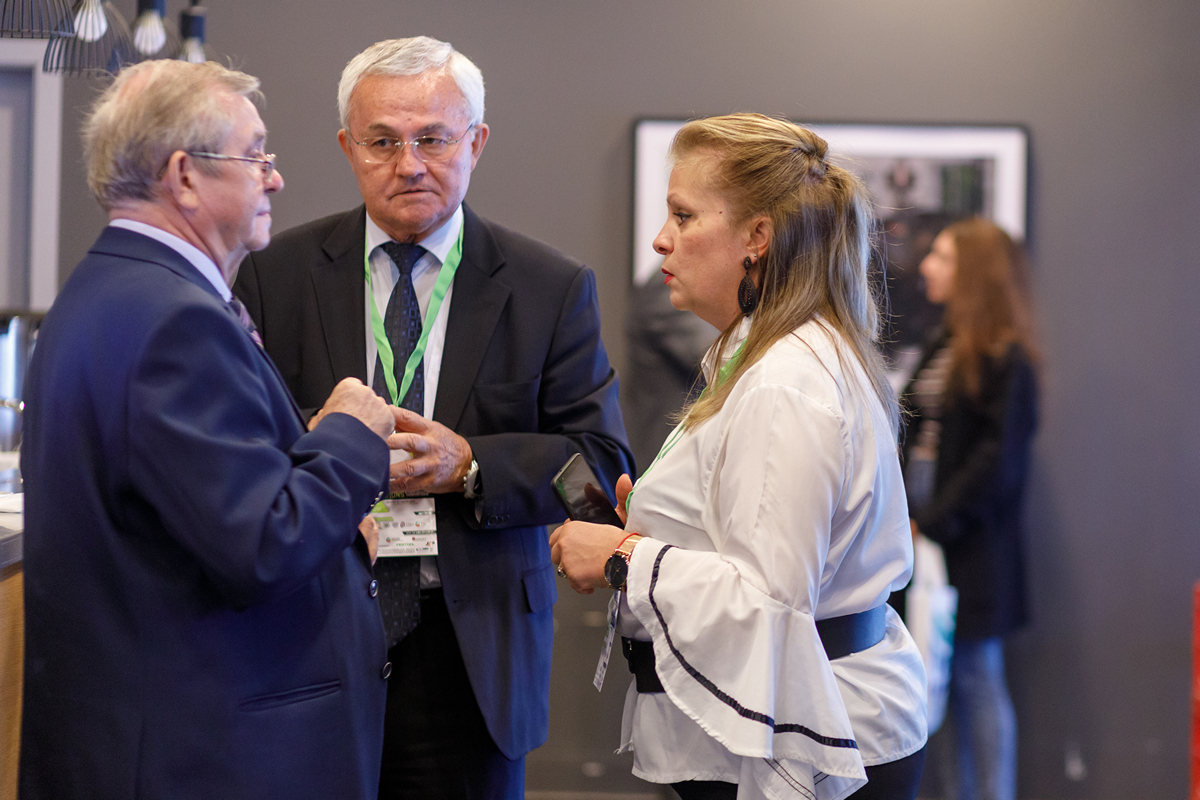
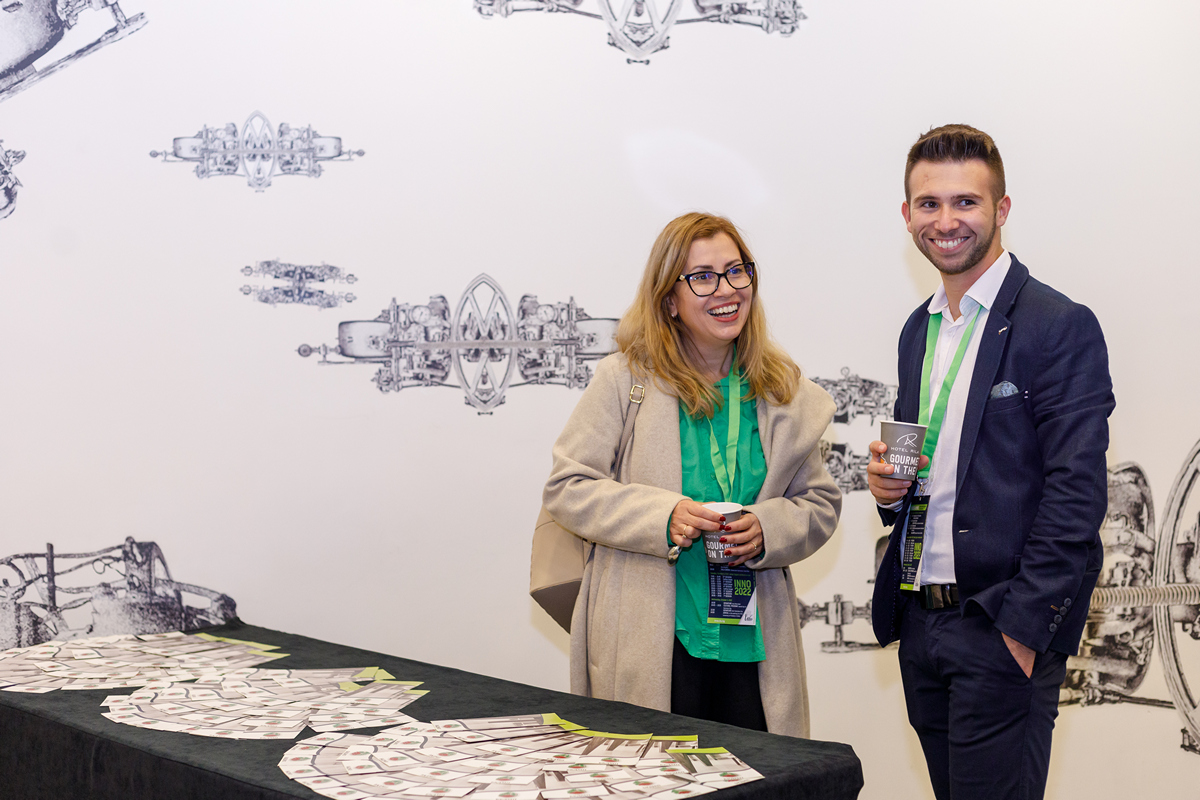

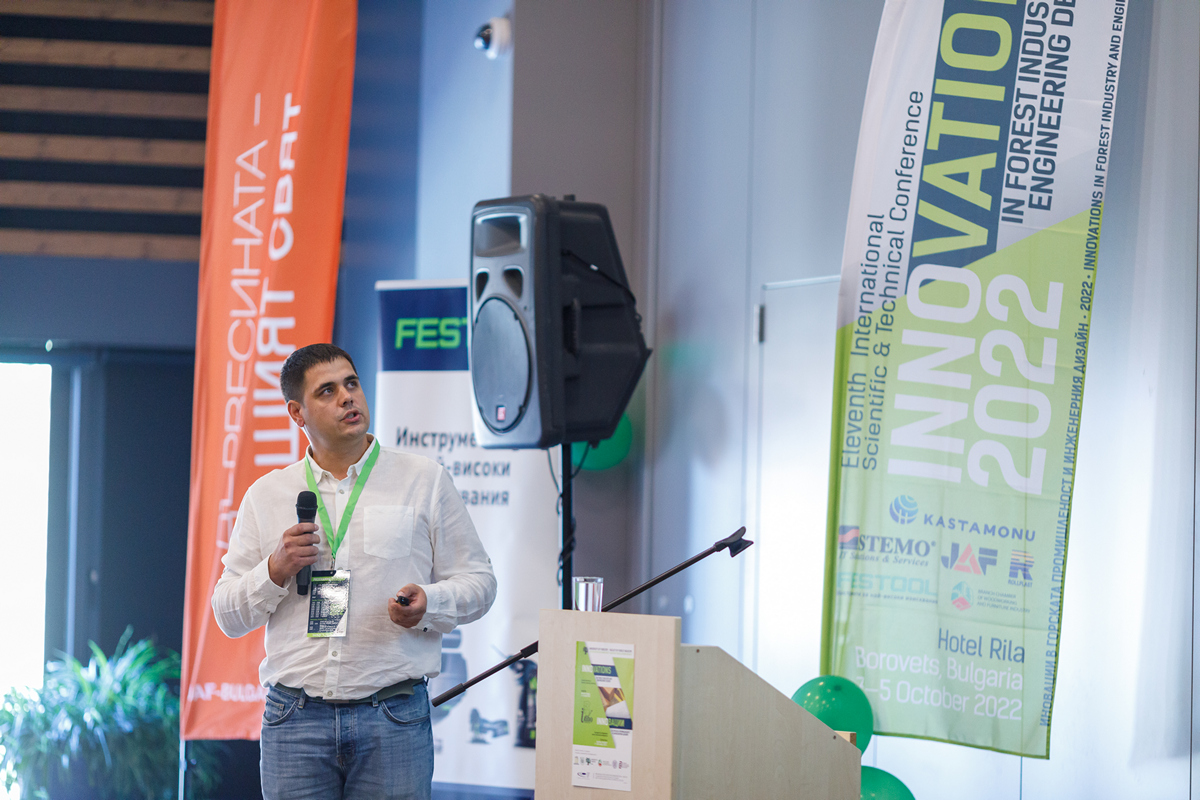
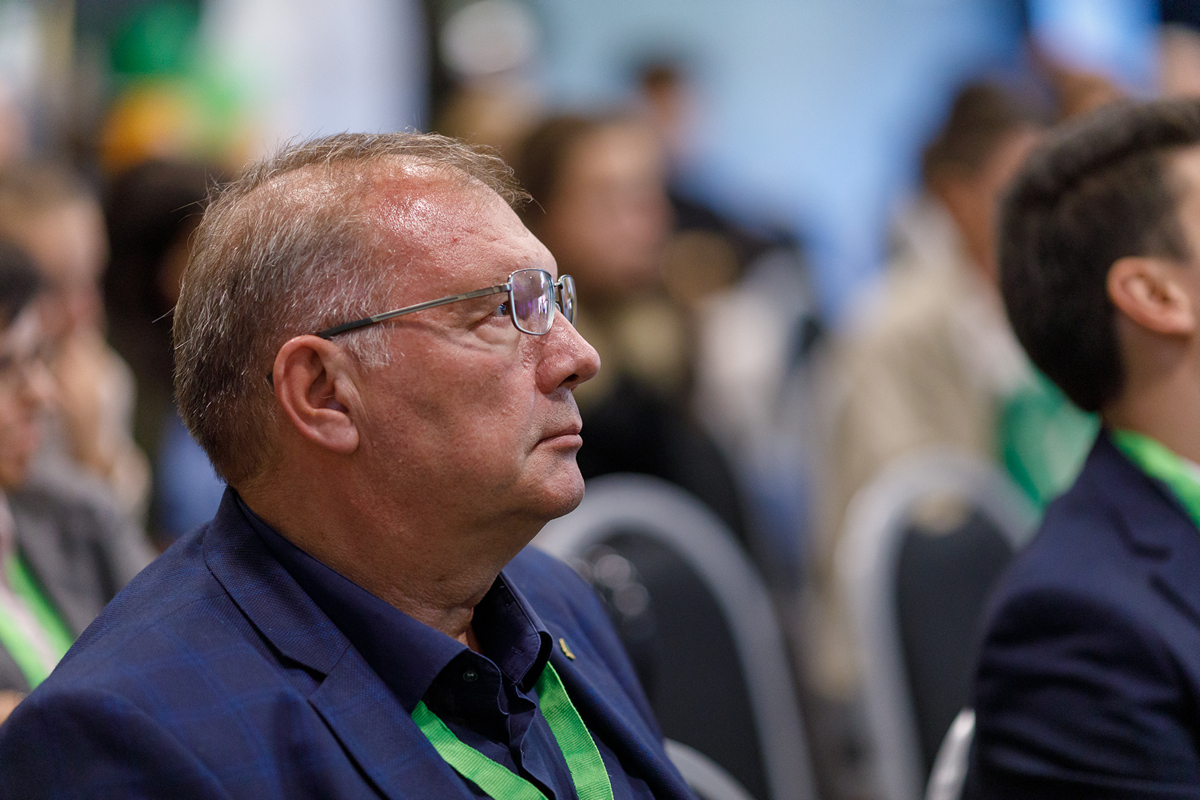


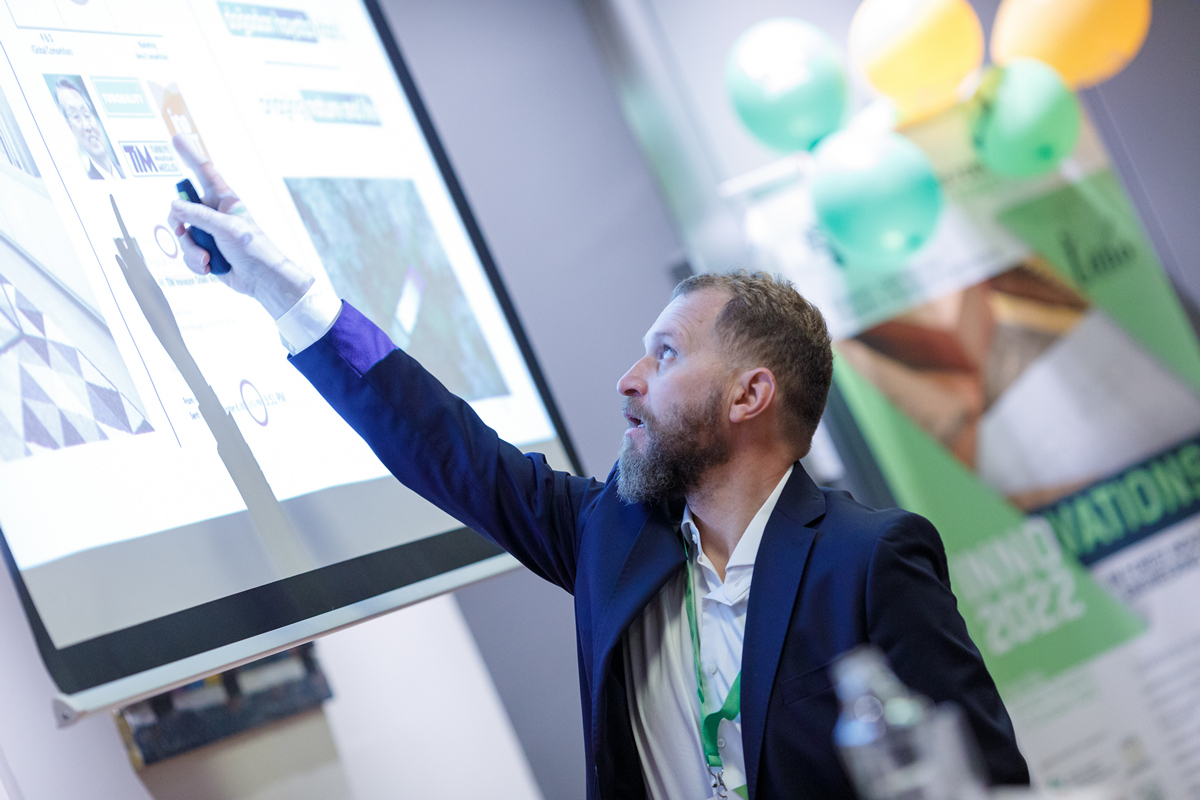
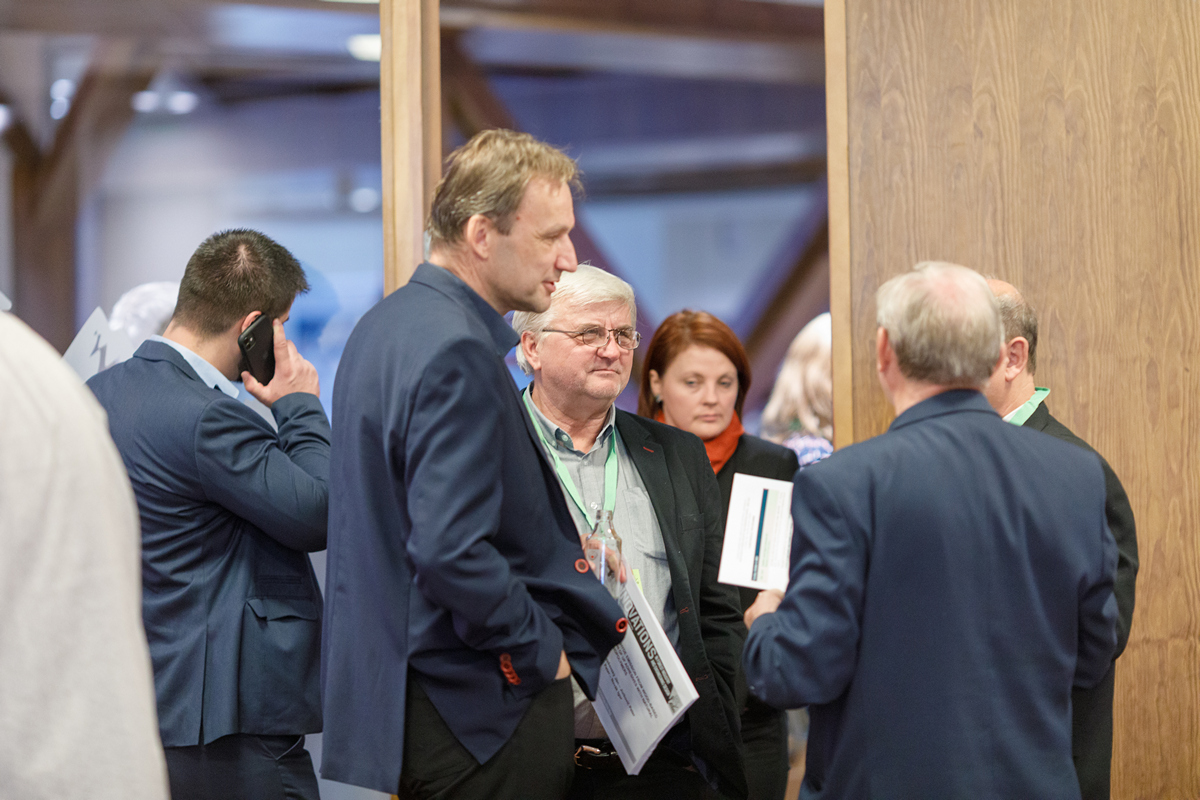
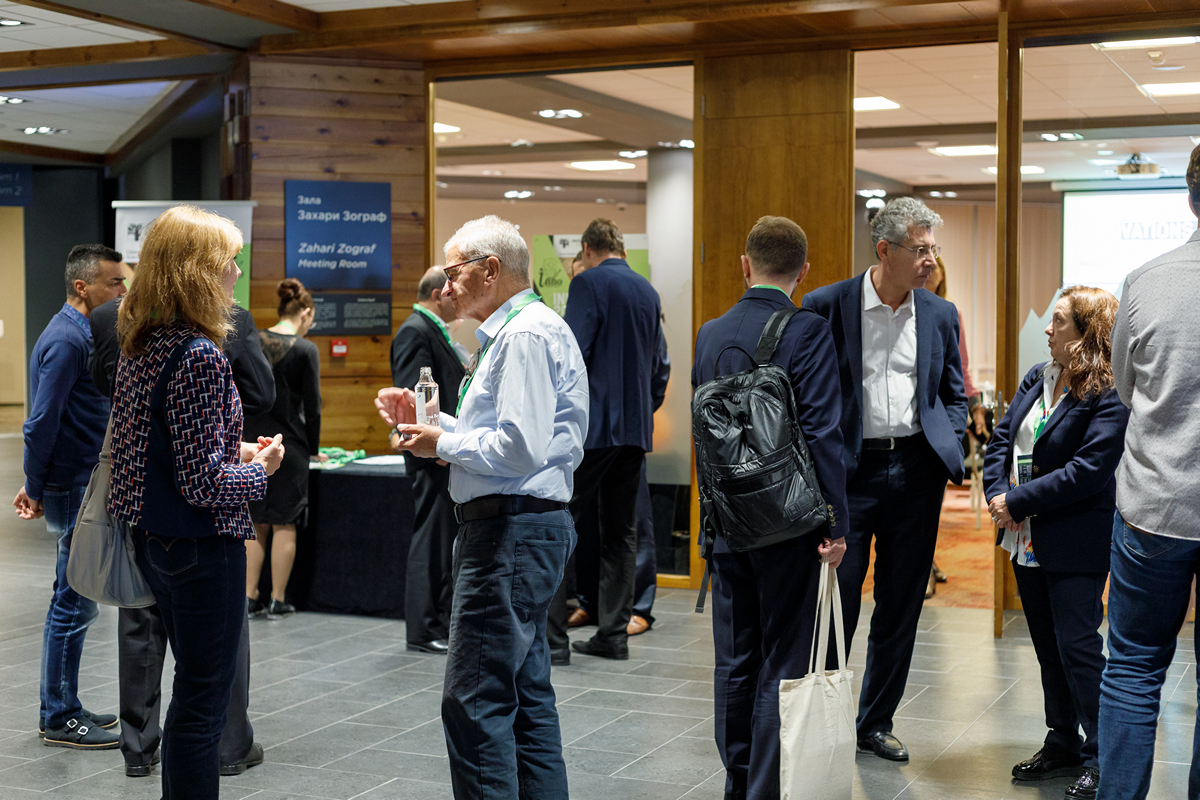
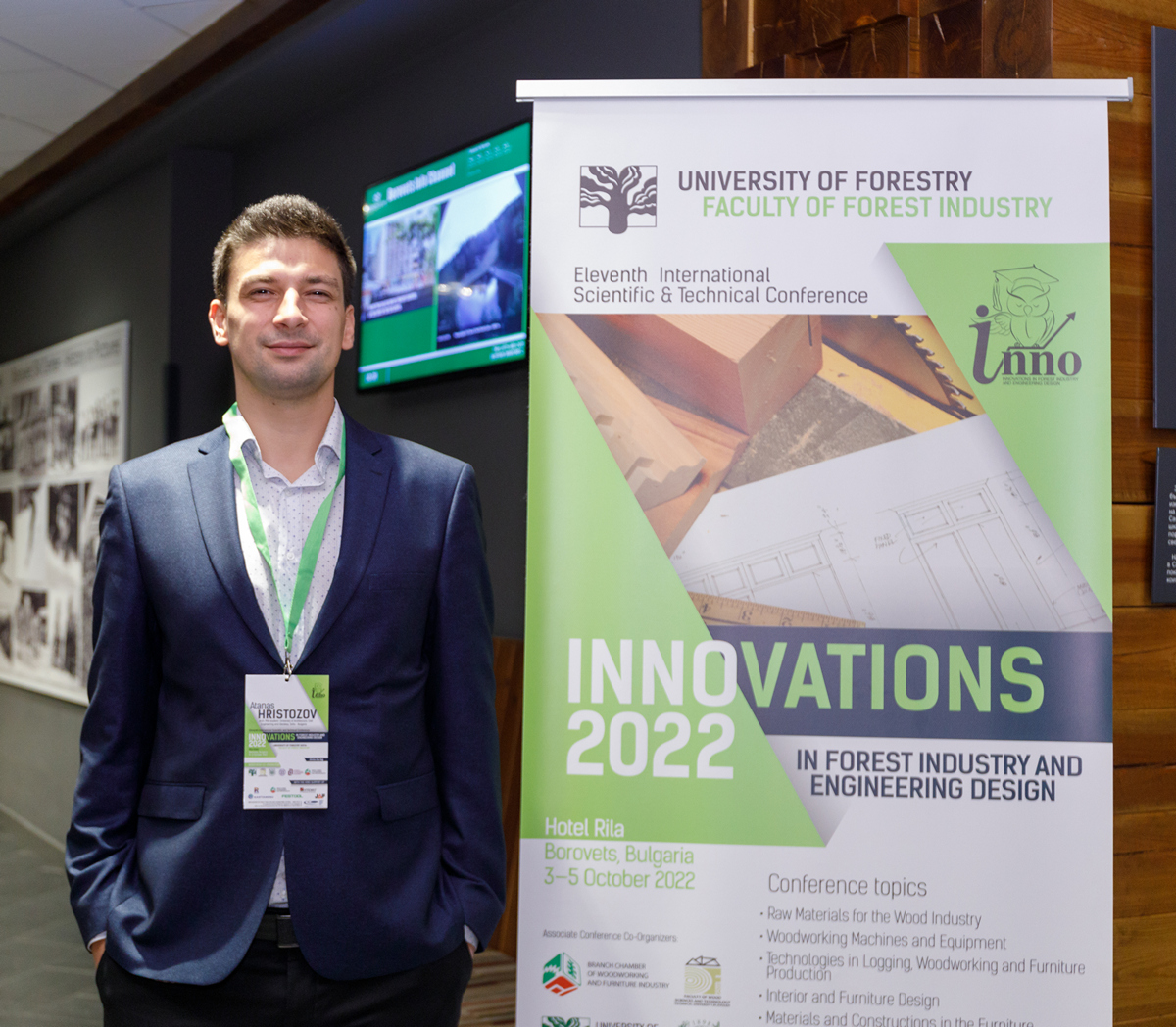

Повече за конференцията
Заявка и регистрация
нашите контакти
Лесотехнически университет, София
Парк хотел „Витоша“, София

ИНОВАЦИИ В ГОРСКАТА ПРОМИШЛЕНОСТ И ИНЖЕНЕРНИЯ ДИЗАЙН

Факултет "Горска промишленост", Лесотехнически университет,
София 1797, Бул. Климент Охридски 10
Website: http://inno.ltu.bg
E-mail: inno_conference@ltu.bg

Парк хотел „Витоша“, СОФИЯ
Адрес: 1700 София, ул. „Росарио“ 1
Резервации: +359 2 816 88 88; +359 886 806 355
E-mail: reservations@vitoshaparkhotel.com
Website: https://www.vitoshaparkhotel.com/en/